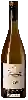
Domaine le Vieux ChêneClos Haut Valoir Empreinte
 White wine
This wine generally goes well with vegetarian, poultry or lean fish.
Food and wine pairings with Clos Haut Valoir Empreinte
Pairings that work perfectly with Clos Haut Valoir Empreinte



Original food and wine pairings with Clos Haut Valoir Empreinte


The Clos Haut Valoir Empreinte of Domaine le Vieux Chêne matches generally quite well with dishes of pasta, vegetarian or poultry such as recipes of tagliatelle with shrimps, quiche lorraine or chicken colombo (west indies).
Details and technical informations about Domaine le Vieux Chêne's Clos Haut Valoir Empreinte.
Discover the grape variety: Humagne rouge
It is a variety of Valle d'Aosta origin and, like Arvine, it is also found in Italy. In the past, it was cultivated in Savoy and registered in the official catalogue of wine grape varieties, list B, under the name of red humagne, but it is not related to white humagne. According to recent genetic analyses, the Swiss variety Cornalin du Valais is its father and Rèze its grandmother. It is also the grandson of the petit rouge d' Aoste.
Informations about the Domaine le Vieux Chêne
The Domaine le Vieux Chêne is one of wineries to follow in Languedoc-Roussillon.. It offers 36 wines for sale in the of Languedoc-Roussillon to come and discover on site or to buy online.

The wine region of Languedoc-Roussillon
Languedoc (formerly Coteaux du Languedoc) is a key appellation used in the Languedoc-Roussillon wine region of southern France. It covers Dry table wines of all three colors (red, white and rosé) from the entire region, but leaves Sweet and Sparkling wines to other more specialized appellations. About 75% of all Languedoc wines are red, with the remaining 25% split roughly down the middle between whites and rosés. The appellation covers most of the Languedoc region and almost a third of all the vineyards in France.
The word of the wine: Flavours (families of)
Aromas are classified into categories called families of aromas: fruity, floral, fermentative, vegetal, woody, balsamic, spicy, mineral, empyreumatic, animal.