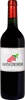
Domaine le FortGrenache Noir
 Red wine



In the mouth this red wine is a powerful.
This wine generally goes well with poultry, beef or lamb.
Taste structure of the Grenache Noir from the Domaine le Fort
Light | Bold | |
Smooth | Tannic | |
Dry | Sweet | |
Soft | Acidic |
In the mouth the Grenache Noir of Domaine le Fort in the region of Languedoc-Roussillon is a powerful.
Food and wine pairings with Grenache Noir
Pairings that work perfectly with Grenache Noir



Original food and wine pairings with Grenache Noir

The Grenache Noir of Domaine le Fort matches generally quite well with dishes of beef, pasta or lamb such as recipes of beef bobotie, soft and inexpensive pasta gratin or lamb tagine with apricots (morocco).
Details and technical informations about Domaine le Fort's Grenache Noir.
Discover the grape variety: Torrontés riojano
Most certainly of Argentine origin, very well known in this country, particularly in the Rioja and Salta regions. It is said to be the result of a cross between the Muscat d'Alexandrie and the Listan Prieto Noir, also known as Criolla Chica. We can note its resemblance with the torrontés sanjuanino, most certainly by the fact that it is also resulting from the same crossing. In Spain (Galicia), a grape variety bears the name of torrontés, it is most certainly the fernao Pires. Torrontés riojano is also present in Chile, but in France it is practically unknown.
Informations about the Domaine le Fort
The Domaine le Fort is one of of the world's greatest estates. It offers 19 wines for sale in the of Languedoc-Roussillon to come and discover on site or to buy online.

The wine region of Languedoc-Roussillon
Languedoc (formerly Coteaux du Languedoc) is a key appellation used in the Languedoc-Roussillon wine region of southern France. It covers Dry table wines of all three colors (red, white and rosé) from the entire region, but leaves Sweet and Sparkling wines to other more specialized appellations. About 75% of all Languedoc wines are red, with the remaining 25% split roughly down the middle between whites and rosés. The appellation covers most of the Languedoc region and almost a third of all the vineyards in France.
The word of the wine: Second fermentation
In the making of champagne, fermentation of the base wine to which is added the liqueur de tirage and which takes place in the bottle. This second fermentation produces the carbon dioxide, and therefore the bubbles that make up the effervescence of the wine.