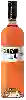
Domaine des AsprasFavst Côtes de Provence Rosé
 Pink wine
This wine generally goes well with pork, vegetarian or poultry.

Food and wine pairings with Favst Côtes de Provence Rosé
Pairings that work perfectly with Favst Côtes de Provence Rosé



Original food and wine pairings with Favst Côtes de Provence Rosé

The Favst Côtes de Provence Rosé of Domaine des Aspras matches generally quite well with dishes of pork, shellfish or vegetarian such as recipes of chinchards with white wine and grapes, seafood lasagna or zucchini quiche.
Details and technical informations about Domaine des Aspras's Favst Côtes de Provence Rosé.
Discover the grape variety: Kyoho
Table grape with long clusters and spherical blue-black berries with thick skin and juicy flesh, with a distinctive sweet muscat flavour. Very rarely vinified. Widely grown in Japan, Korea and China for fresh consumption, one of the most popular table grapes in East Asia. Japanese black table grape obtained in 1937, crossing Ishiharawase × Centennial.
Informations about the Domaine des Aspras
The Domaine des Aspras is one of of the world's great estates. It offers 23 wines for sale in the of Côtes de Provence to come and discover on site or to buy online.

The wine region of Côtes de Provence
World reference for pale, elegant rosé: salmon to onion-skin hue, notes of strawberry, pink grapefruit, white peach and flowers, fresh, dry, mineral palate, taut finish. 90% of output, the Provençal signature. Grenache, Cinsault, Syrah and native Tibouren in the blend. A few fleshy Mediterranean reds (Mourvèdre, Syrah) and saline Vermentino whites.
The wine region of Provence
World capital of dry, refined rosé (~90% of production). Pale rose-petal colour, delicate nose of fresh red fruits (strawberry, raspberry, redcurrant), citrus (pink grapefruit), white flowers and a mineral touch, taut and thirst-quenching palate — the Mediterranean aperitif par excellence. Blends of Grenache, Cinsault, Syrah, Tibouren and Mourvèdre. Fleshy Bandol reds from Mourvèdre (leather, garrigue, age-worthy), straight Cassis whites.
The word of the wine: Old vines
There are no specific regulations governing the term "vieilles vignes". After 20 to 25 years, the yields stabilize and tend to decrease, the vines are deeply rooted, and the grapes that come from them give richer, more concentrated, more sappy wines, expressing with more nuance the characteristics of their terroir. It is possible to find plots of vines that claim to be a century old.