Domaine de MalaigueMerci
 Red wine



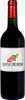
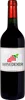
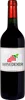
In the mouth this red wine is a powerful with a nice balance between acidity and tannins.
This wine generally goes well with beef, veal or pasta.

Taste structure of the Merci from the Domaine de Malaigue
Light | Bold | |
Smooth | Tannic | |
Dry | Sweet | |
Soft | Acidic |
In the mouth the Merci of Domaine de Malaigue in the region of Languedoc-Roussillon is a powerful with a nice balance between acidity and tannins.
Food and wine pairings with Merci
Pairings that work perfectly with Merci



Original food and wine pairings with Merci
The Merci of Domaine de Malaigue matches generally quite well with dishes of beef, pasta or veal such as recipes of beef bourguignon with tomato, pasta with cherry tomatoes or traditional veal stew.
Details and technical informations about Domaine de Malaigue's Merci.
Discover the grape variety: Grauer Burgunder
Structured and aromatic dry, off-dry and sweet whites with a golden to amber robe depending on vinification, an ample palate with preserved acidity, showing signature aromas of yellow fruits (pear, quince), honey, gentle spices, smoke and mineral notes. Fine Germanic richness. Signs dry Grauburgunder and sweet Ruländer wines in German-speaking regions. German synonym for Pinot Gris, a French-origin grey grape grown in Germany, Austria, northern Italy and Switzerland.
Last vintages of this wine
The best vintages of Merci from Domaine de Malaigue are 0
Informations about the Domaine de Malaigue
The Domaine de Malaigue is one of of the world's greatest estates. It offers 10 wines for sale in the of Languedoc-Roussillon to come and discover on site or to buy online.

The wine region of Languedoc-Roussillon
Largest single French vineyard, dominated by sunny, generous reds. Spicy Syrah, candied Grenache (ripe fruit, garrigue), structured Carignan, deep Mourvèdre, supple Cinsault. Stars: structured Corbières, Minervois, Faugères, Saint-Chinian; round Côtes-du-Roussillon. Legendary vins doux naturels: Banyuls and Maury (fortified Grenache) with notes of cocoa, fig, prune.
The word of the wine: Metis (grape variety)
A grape variety resulting from the crossing of two varieties of the same species. For example, pinotage (a South African grape variety) is the result of crossing pinot noir and cinsault.