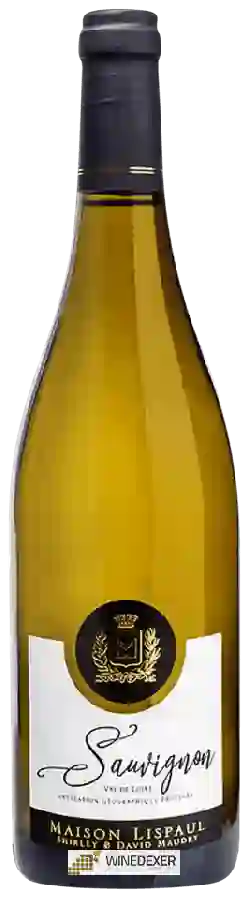
Domaine de LispaulSauvignon
 White wine


This wine generally goes well with vegetarian, rich fish (salmon, tuna etc) or shellfish.

Wine flavors and olphactive analysis




On the nose the Sauvignon of Domaine de Lispaul in the region of Val de Loire often reveals types of flavors of earth, vegetal or tree fruit and sometimes also flavors of citrus fruit, tropical fruit.
Food and wine pairings with Sauvignon
Pairings that work perfectly with Sauvignon



Original food and wine pairings with Sauvignon
The Sauvignon of Domaine de Lispaul matches generally quite well with dishes of rich fish (salmon, tuna etc), shellfish or vegetarian such as recipes of salmon with spinach and cream, scallops on a bed of leeks or quiche without pastry.
Details and technical informations about Domaine de Lispaul's Sauvignon.
Discover the grape variety: Vijiriega
Lively and aromatic dry whites with a pale golden robe, a slender palate and sharp acidity, with signature aromas of citrus (lime), white flowers, aromatic herbs and saline volcanic island notes. A very characteristic Atlantic thirst-quenching profile. A traditional component of Canarian DOC whites (Tenerife, La Palma), contributing to the Atlantic viticultural identity of the Canary Islands. Native Spanish white grape of the Canary Islands, with fine island character.
Last vintages of this wine
The best vintages of Sauvignon from Domaine de Lispaul are 2020, 2019, 0
Informations about the Domaine de Lispaul
The Domaine de Lispaul is one of of the world's greatest estates. It offers 9 wines for sale in the of Val de Loire to come and discover on site or to buy online.

The wine region of Val de Loire
France's most diverse vineyard, 800 km along the Loire (~48,300 ha). Flagship whites: lively, mineral Sauvignon from Sancerre-Pouilly (citrus, boxwood, gunflint), Loire Chenin from vibrant dry to noble sweet wines (quince, honey, taut acidity), Melon de Bourgogne of saline Muscadet on lees. Cabernet Franc reds (Chinon, Bourgueil, Saumur-Champigny): raspberry, bell pepper, graphite, silky tannins. Sparkling Cremants with brioche-apple notes.
The word of the wine: Yeast
Micro-organisms at the base of all fermentative processes. A wide variety of yeasts live and thrive naturally in the vineyard, provided that treatments do not destroy them. Unfortunately, their replacement by laboratory-selected yeasts is often the order of the day and contributes to the standardization of the wine. Yeasts are indeed involved in the development of certain aromas.