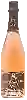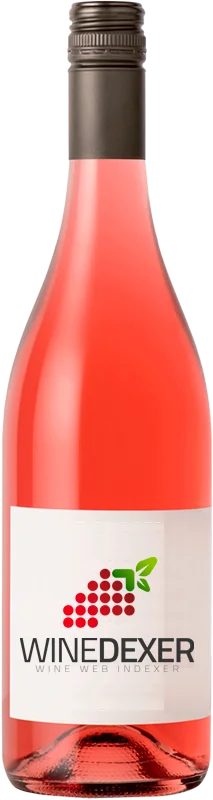
Domaine de l'IdylleLa Brise Rosé
 Pink wine



This wine is a blend of 3 varietals which are the Mondeuse noire, the Pinot noir and the Gamay noir.
This wine generally goes well with pork, poultry or beef.
Wine flavors and olphactive analysis

Food and wine pairings with La Brise Rosé
Pairings that work perfectly with La Brise Rosé



Original food and wine pairings with La Brise Rosé



The La Brise Rosé of Domaine de l'Idylle matches generally quite well with dishes of beef, veal or pork such as recipes of beef stew with white wine, roast veal with milk and rosemary or sauté of pork with chorizo.
Details and technical informations about Domaine de l'Idylle's La Brise Rosé.
Discover the grape variety: Mondeuse noire
Cultivated for a very long time in Savoie, it is not the black form of mondeuse blanche and Mondeuse grise is a natural mutation of mondeuse noire. According to Thierry Lacombe (I.N.R.A./Montpellier), the latter is the result of a natural intraspecific crossing between the black tressot and the white mondeuse. Mondeuse grise and Mondeuse noire are both registered in the official catalogue of wine grape varieties, list A1.
Last vintages of this wine
The best vintages of La Brise Rosé from Domaine de l'Idylle are 0
Informations about the Domaine de l'Idylle
The Domaine de l'Idylle is one of of the world's great estates. It offers 38 wines for sale in the of Savoie to come and discover on site or to buy online.

The wine region of Savoie
Savoie is a wine region in eastern France, in the mountainous areas just South of Lake Geneva and on the border with Switzerland. The location and geography of the region has very much defined its Character, which is fragmented, hilly and slightly Swiss. This is evident in the fresh, crisp white wines produced here, as well as in the labels of the region's wines. Many bear a white cross on a red background - the flag of Switzerland and Savoy.
The word of the wine: Rancio
Odour and taste characteristic of certain wines that have undergone oxidative maturation, i.e. in contact with oxygen (vin jaune du Jura, dry rancio du Roussillon, maury, banyuls, rivesaltes, etc.).