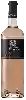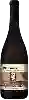
Domaine de la VallongueReserve Coteaux d'Aix-en-Provence
 Red wine


This wine generally goes well with
Details and technical informations about Domaine de la Vallongue's Reserve Coteaux d'Aix-en-Provence.
Discover the grape variety: Léon Millot
Léon Millot noir is a grape variety that originated in France (Alsace). It is a variety resulting from a cross of the same species (interspecific hybridization). It produces a variety of grape specially used for wine making. It is rare to find this grape to eat on our tables. This variety of grape is characterized by small bunches, and grapes of small size. We find the Léon Millot noir in the vineyards of the Rhône Valley.
Informations about the Domaine de la Vallongue
The Domaine de la Vallongue is one of of the world's great estates. It offers 16 wines for sale in the of Coteaux d'Aix-en-Provence to come and discover on site or to buy online.

The wine region of Coteaux d'Aix-en-Provence
Côteaux d'Aix-en-Provence is one of the main French appellations in the Provence wine region, located in the extreme southeast of the country. It is the second largest appellation in the region, with about 4,000 hectares North and west of Aix-en-Provence - the town from which it takes its name. The area also bears the tiny title of AOCPalette. The Côteaux d'Aix-en-Provence appellation was first introduced as a VDQS in 1956, having been informally known as Côteaux du Roy René (René d'Anjou being a 15th century French king famous for his love of wine and the Vine).
The wine region of Provence
Provence is a wine region in the far southeast of France, best known for the quality (and quantity) of its rosé wines and for its Warm, mild Climate. The modernization that is taking place in many of the traditional wine regions of southern France has not yet taken place to the same extent in Provence, but there are Clear signs of change. The region's Grape varieties, in particular, have come under scrutiny in recent decades. Traditional varieties such as Carignan, Barbaroux (Barbarossa from Sardinia) and Calitor are being replaced by more commercially viable varieties such as Grenache, Syrah and even Cabernet Sauvignon.
The word of the wine: Tartar (deposit)
White, chalky deposits that occur as a result of precipitation inside bottles and are often considered by consumers as a defect. They are in fact tartaric salts formed by tartaric acid, potassium and calcium naturally present in the wine. This deposit does not alter the quality of the wine and can be eliminated by a simple decanting.