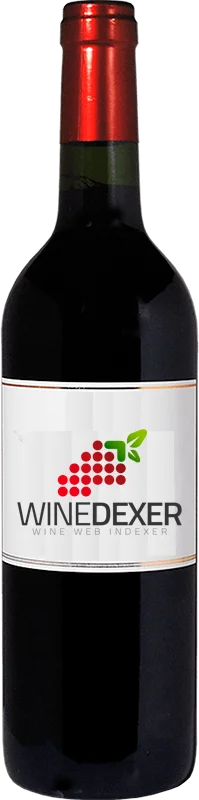
Domaine de Font-SaneCuvée Futeé Gigondas
 Red wine



In the mouth this red wine is a powerful with a nice balance between acidity and tannins.
This wine generally goes well with beef, game (deer, venison) or lamb.

Taste structure of the Cuvée Futeé Gigondas from the Domaine de Font-Sane
Light | Bold | |
Smooth | Tannic | |
Dry | Sweet | |
Soft | Acidic |
In the mouth the Cuvée Futeé Gigondas of Domaine de Font-Sane in the region of Rhone Valley is a powerful with a nice balance between acidity and tannins.
Wine flavors and olphactive analysis

On the nose the Cuvée Futeé Gigondas of Domaine de Font-Sane in the region of Rhone Valley often reveals types of flavors of earth.
Food and wine pairings with Cuvée Futeé Gigondas
Pairings that work perfectly with Cuvée Futeé Gigondas



Original food and wine pairings with Cuvée Futeé Gigondas
The Cuvée Futeé Gigondas of Domaine de Font-Sane matches generally quite well with dishes of beef, lamb or game (deer, venison) such as recipes of grandma melanie's cassoulet, sauté of lamb or aiguillettes of duck with paprika and pan-fried ceps.
Details and technical informations about Domaine de Font-Sane's Cuvée Futeé Gigondas.
Discover the grape variety: Acolon
Colourful, fruity reds with a dark ruby colour, light to firm tannins and a dense palate showing black cherry, blackberry, plum, soft spices and balsamic notes. A modern, early-ripening, productive profile. Grown in Württemberg and the Palatinate for modern German dry reds and blended with Trollinger and Lemberger. A 1971 Weinsberg cross of Lemberger × Dornfelder.
Informations about the Domaine de Font-Sane
The Domaine de Font-Sane is one of of the world's greatest estates. It offers 8 wines for sale in the of Gigondas to come and discover on site or to buy online.

The wine region of Gigondas
Full-bodied cru of the southern Rhone at the foot of the Dentelles de Montmirail: signature Grenache as king red (>=50%) with Syrah and Mourvedre — powerful and sun-soaked with notes of candied black fruits (blackberry, blackcurrant, plum), garrigue, kirsch, spices, licorice and pepper, dense tannins and a long finish (14-15% alcohol), more structured than Chateauneuf. Lively roses. AOC (1971), ~1,200 ha on the eponymous village (Vaucluse), limestone and clay-sandy soils, ages 5-15 years.
The wine region of Rhone Valley
France's 2nd-largest AOC vineyard, two complementary worlds. Northern: pure Syrah in signature reds (Côte-Rôtie, Hermitage, Cornas), deep and peppery with blackberry, violet, black olive and smoked bacon notes, exceptional ageing. Opulent Viognier whites (Condrieu, apricot, flowers) and ample Marsanne-Roussanne. Southern: sun-soaked Grenache blends at Châteauneuf, Gigondas, Vacqueyras (candied fruit, garrigue).
The word of the wine: Terroir
Strictly speaking, the notion of terroir corresponds to the geological characteristics of a vineyard. However, when we talk about terroir, we take into account the soil, the climate (even the microclimate), the flora, the fauna, and the human factor that characterizes the practices that make up the art of the craft.