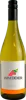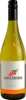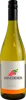
Domaine de BeaumontSémillon - Muscat
 White wine
This wine generally goes well with poultry, rich fish (salmon, tuna etc) or shellfish.
Food and wine pairings with Sémillon - Muscat
Pairings that work perfectly with Sémillon - Muscat



Original food and wine pairings with Sémillon - Muscat


The Sémillon - Muscat of Domaine de Beaumont matches generally quite well with dishes of rich fish (salmon, tuna etc), shellfish or spicy food such as recipes of fish balls, mussel clusters or pizza with peppers and spicy chicken.
Details and technical informations about Domaine de Beaumont's Sémillon - Muscat.
Discover the grape variety: Petit Verdot
Petit Verdot noir is a grape variety that originated in France (southwest). It produces a variety of grape specially used for wine making. It is rare to find this grape to eat on our tables. This variety of grape is characterized by small bunches and small grapes. Petit Verdot noir can be found in several vineyards: South-West, Languedoc & Roussillon, Cognac, Bordeaux, Rhone valley, Provence & Corsica, Loire valley, Savoie & Bugey, Beaujolais, Armagnac.
Informations about the Domaine de Beaumont
The Domaine de Beaumont is one of wineries to follow in Méditerranée.. It offers 9 wines for sale in the of Méditerranée to come and discover on site or to buy online.

The wine region of Méditerranée
Méditérranée is a PGI title that covers wines produced in a large area of the South-eastern coast of France, roughly corresponding to the wine region of Provence but also including Part of the Rhône Valley. The PGI shares its territory with multiple AOC appellations as varied as Châteauneuf-du-Pape, Bandol and Côtes de Provence. The PGI Méditérranée catchment area extends over 10 departments (including the two on the island of Corsica), as well as smaller parts of the Isère, Loire and Rhône departments. Viticulture is essential to the culture and economy of this part of France.
The word of the wine: Vinification of sweet wines
Moelleux and liquoreux wines are characterized by the presence of residual sugars (natural sugar of the grape), not transformed into alcohol under the effect of yeasts. The fermentation is stopped by cold and by the addition of sulphur dioxide (sulphur).