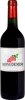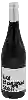
Domaine AntocyÂmeLibre Cours
 Red wine


This wine generally goes well with beef, lamb or mature and hard cheese.

Food and wine pairings with Libre Cours
Pairings that work perfectly with Libre Cours



Original food and wine pairings with Libre Cours

The Libre Cours of Domaine AntocyÂme matches generally quite well with dishes of beef, lamb or spicy food such as recipes of polish goulash, 7 o'clock leg of lamb or pastilla with chicken (moroccan pie with brick sheets).
Details and technical informations about Domaine AntocyÂme's Libre Cours.
Discover the grape variety: Auxerrois
Rich, round whites with tender mouth and moderate acidity, featuring aromas of ripe yellow fruits, white flowers, subtle honey, fresh almond and brioche notes. Often blended with Pinot Blanc in Alsace (cuvées labelled "Pinot Blanc" often contain a good proportion) and a pillar of Crémant d'Alsace. Also in French and Luxembourgish Moselle, Côtes-de-Toul and Baden. Lorraine grape, a Pinot Noir × Gouais Blanc cross, half-sibling of Chardonnay.
Last vintages of this wine
The best vintages of Libre Cours from Domaine AntocyÂme are 0
Informations about the Domaine AntocyÂme
The Domaine AntocyÂme is one of of the world's greatest estates. It offers 10 wines for sale in the of Vin de France to come and discover on site or to buy online.

The wine region of Vin de France
The freest category of French wine, the playground of winemakers working outside the AOC. All styles combined: fruity reds, lively or ambitious whites, everyday rosés, unusual blends, natural wines, atypical grapes (Petit Manseng in Languedoc, Riesling in Provence), experimental winemaking (skin-contact whites, no sulphur). Grape and vintage labelling allowed, no geographic constraint. From the pop, convivial cuvée to the artisan gem: freedom in a bottle.
The word of the wine: Tanin
A natural compound contained in the skin of the grape, the seed or the woody part of the bunch, the stalk. The maceration of red wines allows the extraction of tannins, which give the texture, the solidity and also the mellowness when the tannins are "ripe". The winemaker seeks above all to extract the tannins from the skin, the ripest and most noble. The tannins of the seed or stalk, which are "greener", especially in average years, give the wine hardness and astringency. The wines of Bordeaux (based on Cabernet and Merlot) are full of tannins, those of Burgundy much less so, with Pinot Noir containing little.