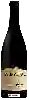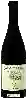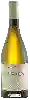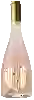
Domaine Anne Allié - Les TuileriesLes Frères de Couleur
 Pink wine
This wine generally goes well with vegetarian, appetizers and snacks or lean fish.
Food and wine pairings with Les Frères de Couleur
Pairings that work perfectly with Les Frères de Couleur



Original food and wine pairings with Les Frères de Couleur


The Les Frères de Couleur of Domaine Anne Allié - Les Tuileries matches generally quite well with dishes of pasta, vegetarian or appetizers and snacks such as recipes of pistou soup complete, zucchini and goat cheese quiche or fresh sardine rillettes.
Details and technical informations about Domaine Anne Allié - Les Tuileries's Les Frères de Couleur.
Discover the grape variety: Humagne blanche
A very old grape variety grown in Switzerland (canton of Valais) and in southwestern France under the name Miousat (Louis Bordenave-2007). It is not related to humagne rouge. According to published genetic analyses, it is related to the colombaud and the chichaud.
Informations about the Domaine Anne Allié - Les Tuileries
The Domaine Anne Allié - Les Tuileries is one of of the world's greatest estates. It offers 3 wines for sale in the of Languedoc-Roussillon to come and discover on site or to buy online.

The wine region of Languedoc-Roussillon
Languedoc (formerly Coteaux du Languedoc) is a key appellation used in the Languedoc-Roussillon wine region of southern France. It covers Dry table wines of all three colors (red, white and rosé) from the entire region, but leaves Sweet and Sparkling wines to other more specialized appellations. About 75% of all Languedoc wines are red, with the remaining 25% split roughly down the middle between whites and rosés. The appellation covers most of the Languedoc region and almost a third of all the vineyards in France.
The word of the wine: Bâtonnage
A very old technique that has come back into fashion in modern oenology, which consists of shaking the white wine in the barrels at the end of fermentation, or after fermentation, with a stick or a flail, in order to suspend the fine lees composed of yeasts at the end of their activity. This process is sometimes used for red wines.