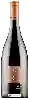
Winery De BortoliPHI Syrah - Grenache - Mourvédre
 Red wine


This wine generally goes well with beef, lamb or mature and hard cheese.

Wine flavors and olphactive analysis

Food and wine pairings with PHI Syrah - Grenache - Mourvédre
Pairings that work perfectly with PHI Syrah - Grenache - Mourvédre



Original food and wine pairings with PHI Syrah - Grenache - Mourvédre

The PHI Syrah - Grenache - Mourvédre of Winery De Bortoli matches generally quite well with dishes of beef, lamb or spicy food such as recipes of beef bourguignon with cookéo, crusted lamb fillets with sweet spices or chicken colombo.
Details and technical informations about Winery De Bortoli's PHI Syrah - Grenache - Mourvédre.
Discover the grape variety: Mourvèdre
Powerful, deep reds with firm tannins and dense texture, showing aromas of blackberry, leather, garrigue, black pepper, liquorice and animal notes (game, forest floor) with age. Star of Bandol AOC as a single variety and pillar of Châteauneuf-du-Pape, Gigondas and Costières blends. Also in GSM in Languedoc and Australia. A late-ripening variety of Spanish origin (Mataró/Monastrell).
Last vintages of this wine
The best vintages of PHI Syrah - Grenache - Mourvédre from Winery De Bortoli are 2013
Informations about the Winery De Bortoli
The Winery De Bortoli is one of wineries to follow in Nouvelle-Galles du Sud.. It offers 535 wines for sale in the of Nouvelle-Galles du Sud to come and discover on site or to buy online.

The wine region of Nouvelle-Galles du Sud
Australia's 2nd wine state with diverse regions. Iconic Hunter Valley: a Sémillon unlike any other, straight, low-alcohol dry whites with vivid citrus when young, evolving over 10-20 years toward honey, toast and lanolin. Medium-bodied Hunter Shiraz, spicy and earthy (leather, red fruits). Also round Chardonnay and aromatic Verdelho.
The word of the wine: Sulphur
An antiseptic and antioxidant substance known since antiquity, probably already used by the Romans. But it was only in modern times that its use was rediscovered. It will allow a better conservation of the wine and thus favour its export. Sulphur also gave the 18th century winegrower the possibility of extending the maceration period without fearing that the wine would turn sour and thus go from dark rosé wines to the red wines of today. Excessive sulphur, on the other hand, kills happiness, paralysing the aromas and causing headaches.