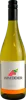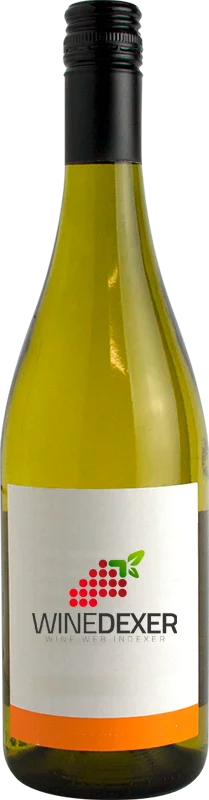
Domaine de BlanesMuscat Sec
 White wine
This wine generally goes well with vegetarian, poultry or lean fish.

Food and wine pairings with Muscat Sec
Pairings that work perfectly with Muscat Sec



Original food and wine pairings with Muscat Sec


The Muscat Sec of Domaine de Blanes matches generally quite well with dishes of pasta, vegetarian or poultry such as recipes of mami's macaroni and gruyere gratin, spinach and goat cheese quiche or chicken tikka massala.
Details and technical informations about Domaine de Blanes's Muscat Sec.
Discover the grape variety: Torbato
Lively, structured whites with good ageing potential, with a pale golden robe, a taut palate with preserved acidity, and signature aromas of citrus (lemon, grapefruit), yellow fruits (peach), white flowers and saline mineral notes. Taut insular profile. Star of the Alghero Torbato DOC appellation, producing great whites from the west coast of Sardinia with fine ageing potential. Native white grape of Sardinia, grown around Alghero.
Informations about the Domaine de Blanes
The Domaine de Blanes is one of of the world's greatest estates. It offers 7 wines for sale in the of Côtes Catalanes to come and discover on site or to buy online.

The wine region of Côtes Catalanes
Expressive Roussillon heartland: signature Grenache Noir as the red king — fleshy and sunny with notes of ripe cherry, raspberry, garrigue, spices and a peppery touch, round tannins and generous alcohol on schist. Deep Syrah, dense Carignan and Mourvèdre as support. Grenache Gris/Blanc, Macabeu and Vermentino in round whites (fennel, citrus, flowers). Aromatic Muscats.
The wine region of Pays d'Oc
The single-grape IGP par excellence: modern, accessible, frank and fruity wines, the popular signature of the Midi. Spicy Syrah reds (pepper, blackberry), round Merlot, structured Cabernet, generous Grenache, supple Cinsault. Crisp, tangy rosés. Opulent Chardonnay whites, lively Sauvignon, floral, apricoty Viognier.
The word of the wine: Chaptalization
The addition of sugar at the time of fermentation of the must, an ancient practice, but theorized by Jean-Antoine Chaptal at the dawn of the 19th century. The sugar is transformed into alcohol and allows the natural degree of the wine to be raised in a weak or cold year, or - more questionably - when the winegrower has a harvest that is too large to obtain good maturity.