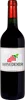
Winery Das MesaMesa/3.9
 Red wine


In the mouth this red wine is a powerful with a lot of tannins present in the mouth.
This wine generally goes well with poultry, beef or veal.

Taste structure of the Mesa/3.9 from the Winery Das Mesa
Light | Bold | |
Smooth | Tannic | |
Dry | Sweet | |
Soft | Acidic |
In the mouth the Mesa/3.9 of Winery Das Mesa in the region of Vinos de Pago is a powerful with a lot of tannins present in the mouth.
Food and wine pairings with Mesa/3.9
Pairings that work perfectly with Mesa/3.9



Original food and wine pairings with Mesa/3.9

The Mesa/3.9 of Winery Das Mesa matches generally quite well with dishes of beef, lamb or veal such as recipes of korean bibimbap, gypsy sauce or veal tagine with artichokes and lemons.
Details and technical informations about Winery Das Mesa's Mesa/3.9.
Discover the grape variety: Tempranillo
Elegant, structured reds with aromas of strawberry, cherry, plum, leather, blond tobacco and pronounced vanilla from long oak ageing. Ranges from Joven to Crianza, Reserva and Gran Reserva. Star of Rioja DOCa, Ribera del Duero DO and Toro DO, also shines in the Douro as Tinta Roriz/Aragonez. One of the world's most planted Spanish varieties.
Last vintages of this wine
The best vintages of Mesa/3.9 from Winery Das Mesa are 0
Informations about the Winery Das Mesa
The Winery Das Mesa is one of of the world's greatest estates. It offers 18 wines for sale in the of Vinos de Pago to come and discover on site or to buy online.

The wine region of Vinos de Pago
Top of the Spanish quality pyramid (above DOCa and DO), reserved for 25 exceptional estates. Estate wines, grapes and vinification exclusively on site, 10 years of track record. All styles: concentrated, barrel-aged Cabernet, Syrah and Tempranillo reds (Dominio de Valdepusa, Arínzano, Pago de Otazu), maker's blends, a few ambitious whites. Great stylistic freedom.
The word of the wine: Defect
Characteristic of a wine that is either aromatically deviant or unbalanced on the palate due to an excess or a lack of one or more flavors.