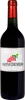
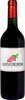
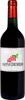
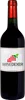
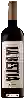
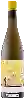
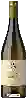
Winery TuetsTot Blanco
 White wine


This wine is a blend of 3 varietals which are the Chenin blanc, the Parellada and the Tempranillo.
This wine generally goes well with fruity desserts, pork or lean fish.

Wine flavors and olphactive analysis




On the nose the Tot Blanco of Winery Tuets in the region of Catalogne often reveals types of flavors of microbio, tree fruit or citrus fruit and sometimes also flavors of tropical fruit.
Food and wine pairings with Tot Blanco
Pairings that work perfectly with Tot Blanco


Original food and wine pairings with Tot Blanco



The Tot Blanco of Winery Tuets matches generally quite well with dishes of beef, lamb or pork such as recipes of beef tongue in hot sauce, leg of lamb in braillouse or very simple spaghetti carbonara.
Details and technical informations about Winery Tuets's Tot Blanco.
Discover the grape variety: Chenin blanc
Chameleon whites with taut acidity, ranging from mineral dry (Savennières, Vouvray sec) to off-dry and medium-sweet (Vouvray, Montlouis), sumptuous botrytised sweet (Quarts-de-Chaume, Bonnezeaux, Coteaux du Layon) and brilliant sparkling (Crémant de Loire, Vouvray brut). Aromas of quince, apple, honey, white flowers, beeswax and flint. An Anjou variety, also star of South Africa's Western Cape.
Last vintages of this wine

The best vintages of Tot Blanco from Winery Tuets are 2018, 2017, 0, 2019
Informations about the Winery Tuets
The Winery Tuets is one of of the world's greatest estates. It offers 11 wines for sale in the of Catalogne to come and discover on site or to buy online.

The wine region of Catalogne
Cradle of Cava (~95% of Spanish output, traditional method): Macabeo, Xarel-lo, Parellada trilogy, fine fruity bubble. Quality peak in Priorat DOCa: dense, mineral reds on llicorella (schist), old-vine Garnacha and Cariñena with black fruit, garrigue notes, firm tannins. Also Penedès, fleshy Montsant, sunny Empordà, Costers del Segre. Mediterranean.
The word of the wine: Vinification of sweet wines
Moelleux and liquoreux wines are characterized by the presence of residual sugars (natural sugar of the grape), not transformed into alcohol under the effect of yeasts. The fermentation is stopped by cold and by the addition of sulphur dioxide (sulphur).