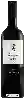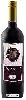
Winery CupertinumSpinello dei Falconi Negroamaro Salento
 Pink wine



This wine generally goes well with
The Spinello dei Falconi Negroamaro Salento of the Winery Cupertinum is in the top 20 of wines of Salento.

Details and technical informations about Winery Cupertinum's Spinello dei Falconi Negroamaro Salento.
Discover the grape variety: Esganoso de Lima
Crisp and lively whites to drink young, with a pale golden robe, an airy and low-alcohol palate with bright acidity on citrus (lemon), green apple, white flowers and fresh herbal aromas. Often blended with Loureiro and Arinto, contributing to the fresh, thirst-quenching character of Vinho Verde DOC wines from north-western Portugal. Autochthonous white variety from the Lima sub-region.
Last vintages of this wine
The best vintages of Spinello dei Falconi Negroamaro Salento from Winery Cupertinum are 2016, 2012, 2018, 0
Informations about the Winery Cupertinum
The Winery Cupertinum is one of of the world's greatest estates. It offers 13 wines for sale in the of Salento to come and discover on site or to buy online.

The wine region of Salento
Heel of the Italian boot, sunny and generous vineyard. Fleshy reds: signature Negroamaro ("black-bitter") deep and sturdy, notes of black cherry, plum, spices and a characteristic bitter finish, star in Salice Salentino DOC. Opulent jammy Primitivo di Manduria (= Zinfandel) with notes of black fruits, chocolate and raisin. Supple Malvasia Nera.
The wine region of Puglia
Heel of the boot, 80% red vineyard, sunny and generous. Fleshy, jammy Primitivo (= Zinfandel) with notes of black cherry, plum, chocolate and spices, powerful alcohol and melted tannins, a star in Primitivo di Manduria. Deep, structured Negroamaro (black-bitter) with a bitter finish in Salice Salentino. Structured Nero di Troia, spicy Susumaniello.
The word of the wine: Volume
Characteristic of a wine that gives the impression of being full in the mouth.