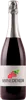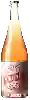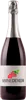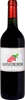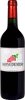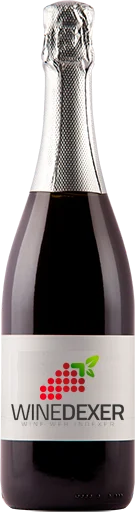
Winery CuevaSuper Tak
 Sparkling wine



This wine generally goes well with

Wine flavors and olphactive analysis

On the nose the Super Tak of Winery Cueva in the region of Valence often reveals types of flavors of floral.
Details and technical informations about Winery Cueva's Super Tak.
Discover the grape variety: Bobal
Intensely coloured, structured reds with an inky robe and tight tannins, featuring aromas of blackberry, black plum, black cherry, spices, liquorice and balsamic notes. High acidity and good ageing potential in old vines. The absolute star of Utiel-Requena DO (Valencia province) where it is experiencing a marked qualitative revival, also made as typey Clarete rosés and modern ageing cuvées. Also in Manchuela DO and Ribera del Júcar DO. Native Levantine grape.
Last vintages of this wine
The best vintages of Super Tak from Winery Cueva are 0
Informations about the Winery Cueva
The Winery Cueva is one of of the world's great estates. It offers 29 wines for sale in the of Utiel-Requena to come and discover on site or to buy online.

The wine region of Utiel-Requena
DO in southeastern Spain, west of Valencia on a plateau at 750 m. Signature Bobal (80%, a native almost exclusive to here): dense, deeply coloured reds with signature notes of black cherry, blackberry, plum, wild herbs and a balsamic touch, firm tannins and lively acidity - old vines >40 years on over half the vineyard. Also spicy Tempranillo, round Garnacha, dense Cabernet Sauvignon. Saline rosés.
The wine region of Valence
Sunny Mediterranean Levant, sun-drenched accessible wines. Monastrell (Mourvèdre) star red in Alicante: fleshy and deep with black fruits, garrigue, leather and spice, firm tannins. Round, fruity Bobal from Utiel-Requena, supple Garnacha, juicy Tempranillo. Fresh whites: light Merseguera, aromatic Moscatel (fresh grape, flowers).
The word of the wine: Draft liquor (champagne)
After blending, the wine is bottled with a liqueur de tirage (a mixture of sugar and wine) and a yeast (selected yeasts). The yeast attacks the sugar and creates carbon dioxide. The fermentation, which lasts about two months, is prolonged by an ageing period (15 months minimum in total). The bottle is capped (some rare vintages are capped with a staple and a cork).