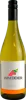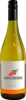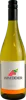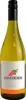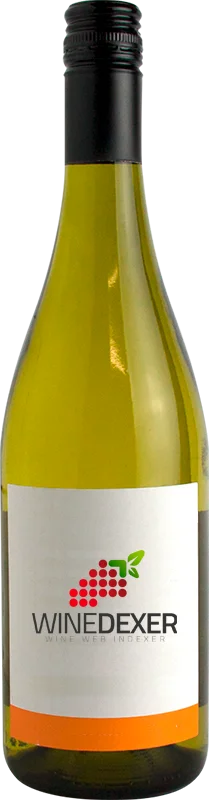
Winery Csetvei PinceZV Zártkörűen Viker
 White wine



This wine generally goes well with pork, vegetarian or lean fish.
The ZV Zártkörűen Viker of the Winery Csetvei Pince is in the top 40 of wines of Mór.
Wine flavors and olphactive analysis




On the nose the ZV Zártkörűen Viker of Winery Csetvei Pince in the region of Észak-Dunántúl often reveals types of flavors of microbio, oak or tree fruit and sometimes also flavors of citrus fruit.
Food and wine pairings with ZV Zártkörűen Viker
Pairings that work perfectly with ZV Zártkörűen Viker



Original food and wine pairings with ZV Zártkörűen Viker



The ZV Zártkörűen Viker of Winery Csetvei Pince matches generally quite well with dishes of pork, rich fish (salmon, tuna etc) or shellfish such as recipes of tartiflette, tuna flan with leek coulis or phad thai (thai style fried noodles).
Details and technical informations about Winery Csetvei Pince's ZV Zártkörűen Viker.
Discover the grape variety: Grillo
A very ancient grape variety still grown today in western Sicily. Very often associated with catarratto and inzolia, it produces the famous Marsala liqueur wine. It is also increasingly being vinified as a single variety and produces excellent dry wines full of freshness and fruitiness. Grillo is believed to be the result of an intra-fertile cross between catarratto and Muscat of Alexandria or zibibbo, obtained in 1869 by Antonino Mendola. It is represented by two biotypes that can be easily recognized, but it seems that winegrowers attach little importance to them. Little known in other Italian regions - in Liguria it is known as "rossese bianco" - it can also be found in Australia and South Africa. It is not widely grown in France, although it is interesting because of its ability to withstand hot climates and drought, and to ripen quite late.
Last vintages of this wine
The best vintages of ZV Zártkörűen Viker from Winery Csetvei Pince are 0
Informations about the Winery Csetvei Pince
The Winery Csetvei Pince is one of of the world's greatest estates. It offers 16 wines for sale in the of Mór to come and discover on site or to buy online.

The wine region of Mór
The wine region of Mór is located in the region of Észak-Dunántúl of Hungary. Wineries and vineyards like the Domaine Molnár Borház or the Domaine Molnár Borház produce mainly wines white, pink and sparkling. The most planted grape varieties in the region of Mór are Chardonnay, Riesling and Pinot noir, they are then used in wines in blends or as a single variety. On the nose of Mór often reveals types of flavors of tree fruit, floral or microbio and sometimes also flavors of tropical fruit, earth or citrus fruit.
The wine region of Észak-Dunántúl
Hungary, in Central Europe, has gained its reputation in the wine world through just a couple of wine styles, but for centuries it has been a wine-producing nation of considerable diversity. In addition to the Sweet wines of Tokaj and the Deep Bull's Blood of Eger, the Hungarian wine portfolio includes Dry whites from the shores of Lake Balaton, Somló and Neszmély, and finer reds from various regions, notably Villány, Sopron and Szekszard. Hungarian wine culture stretches back to Roman times and has survived numerous political, religious and economic challenges, including Islamic rule during the 16th Century (when Alcohol was prohibited) and the Phylloxera epidemic of the late 1800s. The modern Hungarian wine regions are distributed around the country.
The word of the wine: Extra-dry
Champagne with between 12 and 20 grams of sugar (see dosage liqueur).