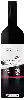
Winery Cremisan Wine EstateCabernet Sauvignon
 Red wine



This wine generally goes well with poultry, beef or lamb.
Food and wine pairings with Cabernet Sauvignon
Pairings that work perfectly with Cabernet Sauvignon



Original food and wine pairings with Cabernet Sauvignon

The Cabernet Sauvignon of Winery Cremisan Wine Estate matches generally quite well with dishes of beef, lamb or spicy food such as recipes of spaghetti bolognese, baked lamb neck on a bed of vegetables and grapes or pasta shells.
Details and technical informations about Winery Cremisan Wine Estate's Cabernet Sauvignon.
Discover the grape variety: Cabernet-Sauvignon
Cabernet-Sauvignon noir is a grape variety that originated in France (Bordeaux). It produces a variety of grape specially used for wine making. It is rare to find this grape to eat on our tables. This variety of grape is characterized by small bunches, and small grapes. Cabernet-Sauvignon noir can be found in many vineyards: South-West, Loire Valley, Languedoc & Roussillon, Cognac, Bordeaux, Armagnac, Rhone Valley, Provence & Corsica, Savoie & Bugey, Beaujolais.
Last vintages of this wine
The best vintages of Cabernet Sauvignon from Winery Cremisan Wine Estate are 2013, 2015, 2014, 0
Informations about the Winery Cremisan Wine Estate
The Winery Cremisan Wine Estate is one of of the world's greatest estates. It offers 18 wines for sale in the of Bethlehem to come and discover on site or to buy online.

The wine region of Bethlehem
The wine region of Bethlehem of . Wineries and vineyards like the Domaine Cremisan Wine Estate or the Domaine Cremisan Wine Estate produce mainly wines red, white and sweet. The most planted grape varieties in the region of Bethlehem are Cabernet-Sauvignon, Dabouki and Merlot, they are then used in wines in blends or as a single variety. On the nose of Bethlehem often reveals types of flavors of non oak, earth or microbio and sometimes also flavors of vegetal, oak or tree fruit.
The word of the wine: Maturing (champagne)
After riddling, the bottles are stored on "point", upside down, with the neck of one bottle in the bottom of the other. The duration of this maturation is very important: in contact with the dead yeasts, the wine takes on subtle aromas and gains in roundness and fatness. A brut without year must remain at least 15 months in the cellar after bottling, a vintage 36 months.