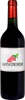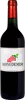
Winery CortisCasarossa
 Red wine


In the mouth this red wine is a powerful.
This wine generally goes well with beef, veal or lamb.

Taste structure of the Casarossa from the Winery Cortis
Light | Bold | |
Smooth | Tannic | |
Dry | Sweet | |
Soft | Acidic |
In the mouth the Casarossa of Winery Cortis in the region of Zürich is a powerful.
Food and wine pairings with Casarossa
Pairings that work perfectly with Casarossa



Original food and wine pairings with Casarossa
The Casarossa of Winery Cortis matches generally quite well with dishes of beef, lamb or veal such as recipes of southern beef meatballs, irish stew or country-style veal roulades with risotto.
Details and technical informations about Winery Cortis's Casarossa.
Discover the grape variety: Merlot
Round and fleshy reds with a velvety texture, showing aromas of ripe plum, black cherry, cocoa and truffle notes with age. Supple tannins, generous alcohol, indulgent finish. Pillar of Libournais (Pomerol with Pétrus, Saint-Émilion with Cheval Blanc and Ausone) and signature of Super Tuscans, Italian Wales and Washington State. A cross of Cabernet Franc × Magdeleine Noire, France's most planted red variety.
Last vintages of this wine
The best vintages of Casarossa from Winery Cortis are 0
Informations about the Winery Cortis
The Winery Cortis is one of of the world's great estates. It offers 50 wines for sale in the of Zürich to come and discover on site or to buy online.

The wine region of Zürich
Largest German-speaking wine canton of Switzerland, 620 ha around the lake. Star Pinot Noir (Blauburgunder): fine, fresh reds with notes of cherry, raspberry, undergrowth and sweet spices, silky tannins and a delicate style. Also light, floral Müller-Thurgau and precise Chardonnay. A unique speciality: Räuschling, a rare native white almost exclusive to the canton ("vine of the lake"), lively with citrus, white flowers and taut minerality.
The word of the wine: Shine
Character of a wine that reflects light with brilliance. The brilliance is enhanced when the wine is decanted.