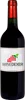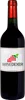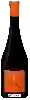
Winery CorbucciFalaia
 Red wine


In the mouth this red wine is a powerful with a lot of tannins present in the mouth.
This wine generally goes well with poultry, beef or veal.
Taste structure of the Falaia from the Winery Corbucci
Light | Bold | |
Smooth | Tannic | |
Dry | Sweet | |
Soft | Acidic |
In the mouth the Falaia of Winery Corbucci in the region of Tuscany is a powerful with a lot of tannins present in the mouth.
Food and wine pairings with Falaia
Pairings that work perfectly with Falaia



Original food and wine pairings with Falaia


The Falaia of Winery Corbucci matches generally quite well with dishes of beef, lamb or veal such as recipes of beef with cider, dad's lamb mouse or stuffed quails.
Details and technical informations about Winery Corbucci's Falaia.
Discover the grape variety: Viktoria
Cross between a (vitis vinifera x vitis amurensis) and Seyve Villard 12 304. Viktoria is found mainly in Russia but also in Poland, Lithuania, etc. It should be noted that a Romanian variety of table grape bears the same name but it is unlikely to be confused with it because its berries are white. - Synonymy: victoria, wiktoria (for all the synonyms of the varieties, click here!).
Last vintages of this wine
The best vintages of Falaia from Winery Corbucci are 2016, 0
Informations about the Winery Corbucci
The Winery Corbucci is one of of the world's greatest estates. It offers 12 wines for sale in the of Tuscany to come and discover on site or to buy online.

The wine region of Tuscany
Tuscany is one of the most famous and prolific wine regions in Europe. It is best known for its Dry red wines made from Sangiovese grapes, which dominate production. These include Chianti, Brunello di Montalcino and Vino Nobile di Montepulciano. The region's Vin Santo is also highly prized, as are its passito dessert wines, though these are produced in comparatively tiny quantities.
The word of the wine: Disgorging (champagne)
This is the evacuation of the deposit formed by the yeasts during the second fermentation in the bottle, by opening the bottle. The missing volume is completed with the liqueur de dosage - a mixture of wine and cane sugar - before the final cork is placed. For some years now, some producers have been replacing this sugar with rectified concentrated musts (concentrated grape juice) which give excellent results. A too recent dosage (less than three months) harms the gustatory harmony of the champagne.