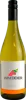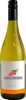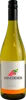
Winery ColonnaraPasserina
 White wine


In the mouth this white wine is a powerful with a nice freshness.
This wine generally goes well with vegetarian, appetizers and snacks or lean fish.

Taste structure of the Passerina from the Winery Colonnara
Light | Bold | |
Dry | Sweet | |
Soft | Acidic |
In the mouth the Passerina of Winery Colonnara in the region of Marche is a powerful with a nice freshness.
Food and wine pairings with Passerina
Pairings that work perfectly with Passerina



Original food and wine pairings with Passerina


The Passerina of Winery Colonnara matches generally quite well with dishes of pasta, vegetarian or appetizers and snacks such as recipes of shrimp marinade, magic cake cheese quiche or parmesan crisps.
Details and technical informations about Winery Colonnara's Passerina.
Discover the grape variety: Arrufiac
Structured, aromatic whites with a golden hue, a broad palate and preserved acidity, with refined aromas of candied citrus, grapefruit, yellow fruits (pear, peach), white flowers, light honey and spice notes. Adds structure and finesse to Béarn blends, both in crisp dry and passerillé sweet styles. Component of Pacherenc du Vic-Bilh AOC and Béarn AOC. Very rare native Béarn variety, undergoing a revival.
Last vintages of this wine

The best vintages of Passerina from Winery Colonnara are 2015, 2012, 2014, 0 and 2011.
Informations about the Winery Colonnara
The Winery Colonnara is one of of the world's great estates. It offers 39 wines for sale in the of Marche to come and discover on site or to buy online.

The wine region of Marche
Italian star of Verdicchio: exceptional age-worthy whites, straight and mineral with signature notes of green almond, lemon, green apple, dry herbs and a slightly bitter finish. Two DOCGs: Castelli di Jesi (coastal, airy) and Matelica (inland, more concentrated). Mediterranean reds: fleshy Montepulciano in Rosso Conero near Ancona, supple Sangiovese. Also fresh Pecorino and Passerina.
The word of the wine: Shiraz
See syrah.