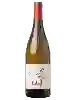
Château de la CollineCalista
 White wine
This wine generally goes well with vegetarian, poultry or rich fish (salmon, tuna etc).

Food and wine pairings with Calista
Pairings that work perfectly with Calista



Original food and wine pairings with Calista


The Calista of Château de la Colline matches generally quite well with dishes of rich fish (salmon, tuna etc), shellfish or sweet desserts such as recipes of tuna and mozzarella pie, chicken and shrimp jambalaya or gaufress and light.
Details and technical informations about Château de la Colline's Calista.
Discover the grape variety: Gaglioppo
Structured, warm reds with a ruby robe evolving towards garnet, firm tannins and moderate acidity, with aromas of black cherry preserve, plum, fig, Mediterranean herbs (oregano, rosemary), spice, leather and balsamic notes. Ample palate, good ageing. Absolute star of Cirò DOC on the Ionian coast of Calabria (one of Europe's oldest vineyards, celebrated since Antiquity). Autochthonous Calabrian variety, a natural descendant of Sangiovese × Mantonico Bianco.
Informations about the Château de la Colline
The Château de la Colline is one of of the world's greatest estates. It offers 5 wines for sale in the of South West to come and discover on site or to buy online.

The wine region of South West
French mosaic of strong identities south of Bordeaux. Cahors and its Malbec ("black wine"): deep reds with notes of blackberry, plum, violet, tobacco and cocoa, firm tannins. Madiran and its dense, age-worthy Tannat. Jurançon whites: golden sweet (apricot, honey, pineapple) and lively dry from Petit Manseng.
The word of the wine: Trimming
A vineyard operation consisting of pruning the upper part of the branches after lifting, either manually or using a trimming machine attached to a high-clearance tractor.