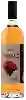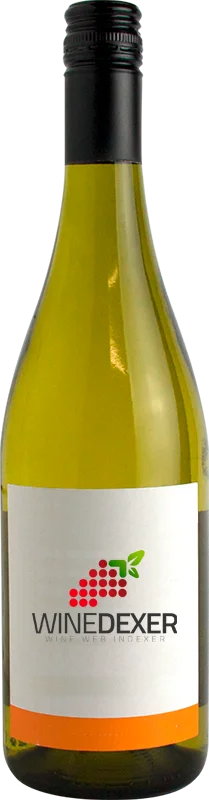
Château de la CollineBergerac Sec
 White wine
This wine generally goes well with vegetarian, poultry or rich fish (salmon, tuna etc).

Food and wine pairings with Bergerac Sec
Pairings that work perfectly with Bergerac Sec



Original food and wine pairings with Bergerac Sec


The Bergerac Sec of Château de la Colline matches generally quite well with dishes of rich fish (salmon, tuna etc), shellfish or sweet desserts such as recipes of papillotes of mackerel, lobster armorican style or the coughing cat's apple crumble.
Details and technical informations about Château de la Colline's Bergerac Sec.
Discover the grape variety: Muscadelle
Aromatic, fruity whites with a tender palate, with intense aromas of muscat, white flowers, honey, candied citrus and floral notes (no genetic link to the muscat family). Minor component in the great botrytised dessert wines of Sauternes, Barsac, Cérons and Monbazillac, adding perfume and freshness. Also dry in Entre-Deux-Mers. Made as sumptuous fortified wines in Australia (Rutherglen Topaque). French variety from Bordeaux and the South-West.
Informations about the Château de la Colline
The Château de la Colline is one of of the world's greatest estates. It offers 5 wines for sale in the of Bergerac Sec to come and discover on site or to buy online.

The wine region of Bergerac Sec
Dry white AOC of South Périgord: signature dominant Sauvignon Blanc blended with Sémillon, Sauvignon Gris and Muscadelle (≥75% main varieties) — lively, fresh whites with pale gold robe, delicate nose of apricot, peach, citrus and white flowers, aromatic palate with crisp attack and good length. Clay-limestone and boulbène soils, temperate South-West climate. Accessible alternative to white Bordeaux, drink young with seafood, grilled fish and goat cheeses.
The wine region of South West
French mosaic of strong identities south of Bordeaux. Cahors and its Malbec ("black wine"): deep reds with notes of blackberry, plum, violet, tobacco and cocoa, firm tannins. Madiran and its dense, age-worthy Tannat. Jurançon whites: golden sweet (apricot, honey, pineapple) and lively dry from Petit Manseng.
The word of the wine: Pressing Rosé
A method of making rosé wine that consists of pressing the grapes directly after crushing and light skin maceration. The resulting wine is lively, light and pale.