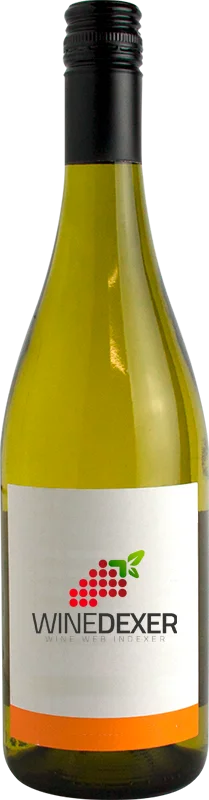
Clos Saint GeorgesEmpreinte du Clos Blanc
 White wine
This wine generally goes well with vegetarian, poultry or lean fish.

Food and wine pairings with Empreinte du Clos Blanc
Pairings that work perfectly with Empreinte du Clos Blanc



Original food and wine pairings with Empreinte du Clos Blanc


The Empreinte du Clos Blanc of Clos Saint Georges matches generally quite well with dishes of pasta, vegetarian or poultry such as recipes of fettuccine with cream and cheese, light tuna-tomato quiche (without cream) or savoyard pizza (cream base).
Details and technical informations about Clos Saint Georges's Empreinte du Clos Blanc.
Discover the grape variety: Perdin
Simple, fresh dry whites with a pale golden colour, supple palate with moderate acidity, showing undemonstrative aromas of citrus and white flowers. Discreet rustic profile. Almost extinct, preserved in INRAE varietal collections for its heritage value, a witness to the pre-phylloxera ampelographic diversity of the South-West and part of the heritage varieties under study. Rare French white variety, formerly grown in the South-West.
Informations about the Clos Saint Georges
The Clos Saint Georges is one of wineries to follow in Côtes du Roussillon.. It offers 26 wines for sale in the of Côtes du Roussillon to come and discover on site or to buy online.

The wine region of Côtes du Roussillon
Catalan sun and Mediterranean character on the edge of the Pyrenees. Fleshy, sun-soaked reds with signature notes of candied black fruit (blackberry, plum), garrigue, pepper, liquorice and dark chocolate, firm tannins and generous warmth. Blends of Grenache (roundness), Syrah (spice), old-vine Carignan (power) and dense Mourvèdre. Also sunny rosés and ample whites (Grenache Blanc, Macabeu).
The wine region of Languedoc-Roussillon
Largest single French vineyard, dominated by sunny, generous reds. Spicy Syrah, candied Grenache (ripe fruit, garrigue), structured Carignan, deep Mourvèdre, supple Cinsault. Stars: structured Corbières, Minervois, Faugères, Saint-Chinian; round Côtes-du-Roussillon. Legendary vins doux naturels: Banyuls and Maury (fortified Grenache) with notes of cocoa, fig, prune.
The word of the wine: Concentrate
Said of a wine that is rich in all its components (sugars in sweet wines, tannins in red wines, aromatic compounds) and that leaves an impression of density, intensity and depth.