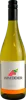
Clos CanosLa Nautique Corbières
 White wine
This wine generally goes well with vegetarian, poultry or lean fish.

Food and wine pairings with La Nautique Corbières
Pairings that work perfectly with La Nautique Corbières



Original food and wine pairings with La Nautique Corbières


The La Nautique Corbières of Clos Canos matches generally quite well with dishes of pasta, vegetarian or poultry such as recipes of phad thai (thai style fried noodles), broccoli and blue cheese quiche without pastry or pasta carbonara.
Details and technical informations about Clos Canos's La Nautique Corbières.
Discover the grape variety: Narince
Dry, vivid and delicate whites with a pale robe, slender mouthfeel and fresh acidity, with refined aromas of citrus (lemon, grapefruit), green apple, pear, white flowers, cut grass and mineral notes. Thirst-quenching profile and remarkable finesse, with good ageing potential. Star of the Tokat hillsides in central Anatolia along the Yeşilırmak river, ambassador of the qualitative renewal of modern Turkish whites. An Anatolian autochthon whose name means "delicate" in Turkish.
Informations about the Clos Canos
The Clos Canos is one of of the world's greatest estates. It offers 13 wines for sale in the of Corbières to come and discover on site or to buy online.

The wine region of Corbières
Largest AOC in Languedoc, 95% Mediterranean reds. Signature old-vine Carignan (up to 60%): fleshy reds with black fruit, garrigue, black olive, spice and tight tannins. Blended with round, sunny Grenache, peppery Syrah, dense Mourvèdre and supple Cinsault. A few fresh rosés and whites (Grenache Blanc, Roussanne).
The wine region of Languedoc-Roussillon
Largest single French vineyard, dominated by sunny, generous reds. Spicy Syrah, candied Grenache (ripe fruit, garrigue), structured Carignan, deep Mourvèdre, supple Cinsault. Stars: structured Corbières, Minervois, Faugères, Saint-Chinian; round Côtes-du-Roussillon. Legendary vins doux naturels: Banyuls and Maury (fortified Grenache) with notes of cocoa, fig, prune.
The word of the wine: Malic (acid)
An acid that occurs naturally in many wines and is transformed into lactic acid during malolactic fermentation.