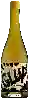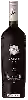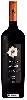
Winery Longaví WinesCarménère
 Red wine



In the mouth this red wine is a powerful.
This wine generally goes well with poultry, beef or lamb.

Taste structure of the Carménère from the Winery Longaví Wines
Light | Bold | |
Smooth | Tannic | |
Dry | Sweet | |
Soft | Acidic |
In the mouth the Carménère of Winery Longaví Wines in the region of Central Valley is a powerful.
Food and wine pairings with Carménère
Pairings that work perfectly with Carménère



Original food and wine pairings with Carménère

The Carménère of Winery Longaví Wines matches generally quite well with dishes of beef, pasta or lamb such as recipes of american fillet (belgian-style beef tartar), pasta with basil or leg of lamb with crust.
Details and technical informations about Winery Longaví Wines's Carménère.
Discover the grape variety: Carmenère
Velvety, deep reds with a dark robe and round tannins, showing aromas of blackberry, plum, ripe red pepper, dark chocolate, coffee and gentle spice. Warm, supple finish. Absolute star of Chile (Colchagua, Cachapoal, Maipo) where it was rediscovered in 1994, long confused with Merlot. A historic Bordeaux variety that nearly vanished after phylloxera, a cross of Cabernet Franc × Gros Cabernet.
Last vintages of this wine
The best vintages of Carménère from Winery Longaví Wines are 2015, 0
Informations about the Winery Longaví Wines
The Winery Longaví Wines is one of of the world's greatest estates. It offers 11 wines for sale in the of Central Valley to come and discover on site or to buy online.

The wine region of Central Valley
Heart of modern Chilean wine: structured, sunny reds, dense, blackcurranty Cabernet Sauvignon from Maipo (Chilean cradle of the grape), signature Carménère with notes of ripe pepper, black fruit and sweet spices from Colchagua, supple Merlot and deep Syrah. Round Chardonnay whites and lively, sharp Sauvignon. Mediterranean climate, 400 km between Andes and Pacific. Star sub-regions: Maipo, Cachapoal, Colchagua, Curicó, Maule.
The word of the wine: INAO glass
Glass adapted to wine tasting, created in the 1970s by the Institut national des appellations d'origine. At the time, it had the advantage of offering a standardised tool to all tasters. It is characterized by a wide base that allows for good ventilation and a narrow mouth (opening of the glass) to concentrate the aromas. Many high-performance glasses have been created based on this model.