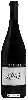
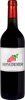
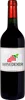
Winery CirulliHédoné Rosso
 Red wine



This wine is a blend of 3 varietals which are the Cabernet-Sauvignon, the Sangiovese and the Merlot.
In the mouth this red wine is a .
This wine generally goes well with poultry, beef or veal.

Taste structure of the Hédoné Rosso from the Winery Cirulli
Light | Bold | |
Smooth | Tannic | |
Dry | Sweet | |
Soft | Acidic |
In the mouth the Hédoné Rosso of Winery Cirulli in the region of Umbria is a .
Wine flavors and olphactive analysis


On the nose the Hédoné Rosso of Winery Cirulli in the region of Umbria often reveals types of flavors of red fruit, black fruit.
Food and wine pairings with Hédoné Rosso
Pairings that work perfectly with Hédoné Rosso



Original food and wine pairings with Hédoné Rosso

The Hédoné Rosso of Winery Cirulli matches generally quite well with dishes of beef, pasta or veal such as recipes of beer goulash, awara broth or pork tenderloin with mushroom sauce.
Details and technical informations about Winery Cirulli's Hédoné Rosso.
Discover the grape variety: Cabernet-Sauvignon
Structured, tannic reds, deeply coloured, with aromas of blackcurrant, blackberry, cedar, tobacco and graphite, underpinned by firm acidity and fine ageing potential. Cornerstone of the great Médoc estates (Pauillac, Saint-Estèphe, Saint-Julien) and signature of Napa Valley, Coonawarra and Maipo. The world's most planted red variety, a natural cross of Cabernet Franc x Sauvignon Blanc born in Bordeaux.
Last vintages of this wine
The best vintages of Hédoné Rosso from Winery Cirulli are 2014, 2015, 2012, 0 and 2011.
Informations about the Winery Cirulli
The Winery Cirulli is one of of the world's greatest estates. It offers 16 wines for sale in the of Umbria to come and discover on site or to buy online.

The wine region of Umbria
"Green heart" of Italy, cradle of Sagrantino: exceptional tannic red in Sagrantino di Montefalco DOCG, dense and concentrated with notes of blackberry, candied plum, liquorice, spice and leather, powerful tannins and long ageing. Suppler Sangiovese in blends, Cabernet and Merlot in Torgiano DOCG. Orvieto whites based on Grechetto and Trebbiano, full and almondy, from dry to sweet Muffato. ~13,000 ha between Tuscany and Lazio.
The word of the wine: Malolactic fermentation
Called second fermentation or malo for short. It is the degradation (under the effect of bacteria) of the malic acid naturally present in the wine into milder, less aggressive lactic acid. Some producers or wineries refuse this operation by "blocking the malo" (by cold and adding SO2) to keep a maximum of acidity which carries the aromas and accentuates the sensation of freshness.