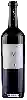
Winery CiccarielloDonatello Lambrusco dell'Emilia Dolce
 Sweet wine


This wine generally goes well with vegetarian, appetizers and snacks or lean fish.

Food and wine pairings with Donatello Lambrusco dell'Emilia Dolce
Pairings that work perfectly with Donatello Lambrusco dell'Emilia Dolce



Original food and wine pairings with Donatello Lambrusco dell'Emilia Dolce


The Donatello Lambrusco dell'Emilia Dolce of Winery Ciccariello matches generally quite well with dishes of pasta, vegetarian or appetizers and snacks such as recipes of my grandmother's macaroni gratin with gruyere cheese and smoked ham, goat cheese and bacon quiche or hummus (chickpea puree).
Details and technical informations about Winery Ciccariello's Donatello Lambrusco dell'Emilia Dolce.
Discover the grape variety: Humagne rouge
Structured, wild reds with a sustained ruby robe, firm tannins and fresh alpine acidity, with aromas of red fruit (cherry, raspberry), violet, garrigue, spice, dried herbs and characteristic animal notes. Dense palate, fine ageing potential. Star of the great Valais reds on the sun-drenched slopes of the Swiss Rhône (Sierre, Salquenen, Chamoson). Autochthonous Aosta Valley variety, identical to Cornalin d'Aoste in Italy, with no genetic link to Humagne Blanche.
Last vintages of this wine
The best vintages of Donatello Lambrusco dell'Emilia Dolce from Winery Ciccariello are 0
Informations about the Winery Ciccariello
The Winery Ciccariello is one of of the world's great estates. It offers 56 wines for sale in the of Emilia-Romagna to come and discover on site or to buy online.

The wine region of Emilia-Romagna
Kingdom of Lambrusco: fresh, fruity sparkling reds (blackberry, cherry, violet), from gourmet dry to convivial off-dry, perfect with local charcuterie. World's best-selling sparkling wine on the Emilia side (Sorbara, Grasparossa, Salamino). East, Romagna: supple fruity Sangiovese, Albana (Italy's 1st white DOCG, 1987) ample and almondy. Also red Gutturnio and white Pignoletto.
The word of the wine: Oxidative (breeding)
A method of ageing which aims to give the wine certain aromas of evolution (dried fruit, bitter orange, coffee, rancio, etc.) by exposing it to the air; it is then matured either in barrels, demi-muids or unoaked casks, sometimes stored in the open air, or in barrels exposed to the sun and to temperature variations. This type of maturation characterizes certain natural sweet wines, ports and other liqueur wines.