Winery Christophe VerronneauLe Breton
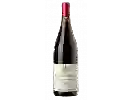
 Red wine
This wine generally goes well with beef, game (deer, venison) or spicy food.

Food and wine pairings with Le Breton
Pairings that work perfectly with Le Breton



Original food and wine pairings with Le Breton
The Le Breton of Winery Christophe Verronneau matches generally quite well with dishes of beef, game (deer, venison) or spicy food such as recipes of beef with cider, duck breast with balsamic vinegar or keftas tajine with eggs.
Details and technical informations about Winery Christophe Verronneau's Le Breton.
Discover the grape variety: Franc de Haute-Saône
Light, fresh reds to drink young, with a lightly coloured clear ruby robe, soft tannins and an airy palate with preserved acidity, showing understated aromas of red fruits. Discreet Jura profile. Now almost extinct, preserved in varietal conservatories for its heritage value, it bears witness to the ampelographic diversity of pre-phylloxera Jura viticulture. French autochthonous black grape from the Haute-Saône vineyard in Franche-Comté.
Informations about the Winery Christophe Verronneau
The Winery Christophe Verronneau is one of of the world's greatest estates. It offers 3 wines for sale in the of Loire Valley to come and discover on site or to buy online.

The wine region of Loire Valley
Kingdom of lively, dry whites and fine sparklers. Mineral, taut Sauvignon Blanc (Sancerre, Pouilly-Fumé) with citrus and gunflint notes. Multiform Chenin Blanc (Vouvray, Savennières, Layon): straight dry, floral off-dry or noble sweet honey-quince. Saline, iodised Muscadet (Melon B.
The word of the wine: Warm
A wine rich in alcohol whose power is expressed by an alcoholic nose and a burning sensation in the mouth.