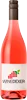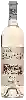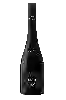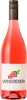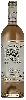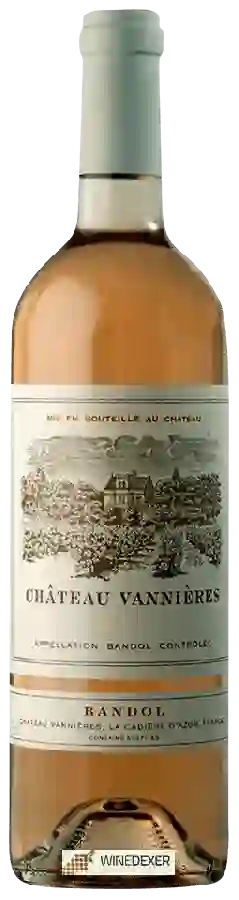
Château VannièresBandol Rosé
 Pink wine


This wine is composed of 100% of the grape variety Mourvedre.
In the mouth this pink wine is a with a nice freshness.
This wine generally goes well with pork, vegetarian or poultry.

Taste structure of the Bandol Rosé from the Château Vannières
Light | Bold | |
Dry | Sweet | |
Soft | Acidic |
In the mouth the Bandol Rosé of Château Vannières in the region of Provence is a with a nice freshness.
Wine flavors and olphactive analysis





On the nose the Bandol Rosé of Château Vannières in the region of Provence often reveals types of flavors of grapefruit, citrus or peach and sometimes also flavors of earthy, minerality or strawberries.
Food and wine pairings with Bandol Rosé
Pairings that work perfectly with Bandol Rosé



Original food and wine pairings with Bandol Rosé

The Bandol Rosé of Château Vannières matches generally quite well with dishes of pork, shellfish or vegetarian such as recipes of savoyard crozet gratin, mussels with beer or quiche with leeks and fresh salmon from flo.
Discover the grape variety: Mourvèdre
Powerful, deep reds with firm tannins and dense texture, showing aromas of blackberry, leather, garrigue, black pepper, liquorice and animal notes (game, forest floor) with age. Star of Bandol AOC as a single variety and pillar of Châteauneuf-du-Pape, Gigondas and Costières blends. Also in GSM in Languedoc and Australia. A late-ripening variety of Spanish origin (Mataró/Monastrell).
Last vintages of this wine

The best vintages of Bandol Rosé from Château Vannières are 2008, 2016, 2010, 2018 and 2014.
Informations about the Château Vannières
The Château Vannières is one of of the world's greatest estates. It offers 13 wines for sale in the of Bandol to come and discover on site or to buy online.

The wine region of Bandol
Provençal jewel between Cassis and Toulon, kingdom of Mourvèdre (50-95% in red). Signature powerful reds with notes of black blackberry, garrigue, pepper, leather, truffle and a balsamic touch, firm tannins and superb ageing (10-30 years) — French benchmark for the grape. Structured, gastronomic rosés (strawberry, citrus, spices) — not a simple aperitif rosé. Rare, mineral Clairette and Bourboulenc whites.
The wine region of Provence
World capital of dry, refined rosé (~90% of production). Pale rose-petal colour, delicate nose of fresh red fruits (strawberry, raspberry, redcurrant), citrus (pink grapefruit), white flowers and a mineral touch, taut and thirst-quenching palate — the Mediterranean aperitif par excellence. Blends of Grenache, Cinsault, Syrah, Tibouren and Mourvèdre. Fleshy Bandol reds from Mourvèdre (leather, garrigue, age-worthy), straight Cassis whites.
The word of the wine: Sulphur
An antiseptic and antioxidant substance known since antiquity, probably already used by the Romans. But it was only in modern times that its use was rediscovered. It will allow a better conservation of the wine and thus favour its export. Sulphur also gave the 18th century winegrower the possibility of extending the maceration period without fearing that the wine would turn sour and thus go from dark rosé wines to the red wines of today. Excessive sulphur, on the other hand, kills happiness, paralysing the aromas and causing headaches.