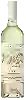
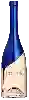
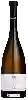
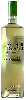
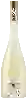
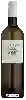
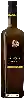
Château VannièresCôtes de Provence Blanc
 White wine



This wine is a blend of 2 varietals which are the Bourboulenc and the Clairette.
This wine generally goes well with

Details and technical informations about Château Vannières's Côtes de Provence Blanc.
Discover the grape variety: Bourboulenc
Fresh and aromatic whites with an ample palate and preserved acidity despite the sun, on discreet aromas of white flowers (broom), citrus, exotic fruits, fennel and saline marine notes. Very late-ripening, retaining freshness in hot climates. Essential component of white Châteauneuf-du-Pape AOC, white Côtes-du-Rhône and Bandol blanc, and the absolute signature of La Clape AOC. Native southern French variety with very late ripening.
Informations about the Château Vannières
The Château Vannières is one of of the world's greatest estates. It offers 13 wines for sale in the of Côtes de Provence to come and discover on site or to buy online.

The wine region of Côtes de Provence
World reference for pale, elegant rosé: salmon to onion-skin hue, notes of strawberry, pink grapefruit, white peach and flowers, fresh, dry, mineral palate, taut finish. 90% of output, the Provençal signature. Grenache, Cinsault, Syrah and native Tibouren in the blend. A few fleshy Mediterranean reds (Mourvèdre, Syrah) and saline Vermentino whites.
The wine region of Provence
World capital of dry, refined rosé (~90% of production). Pale rose-petal colour, delicate nose of fresh red fruits (strawberry, raspberry, redcurrant), citrus (pink grapefruit), white flowers and a mineral touch, taut and thirst-quenching palate — the Mediterranean aperitif par excellence. Blends of Grenache, Cinsault, Syrah, Tibouren and Mourvèdre. Fleshy Bandol reds from Mourvèdre (leather, garrigue, age-worthy), straight Cassis whites.
The word of the wine: Green harvest or green harvesting
The practice of removing excess bunches of grapes from certain vines, usually in July, but sometimes later. This is often necessary, but not always a good thing, as the remaining grapes tend to gain weight.