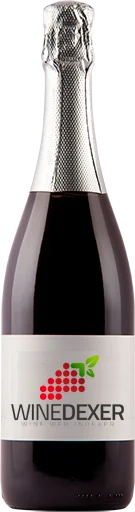
Château TamagneFleurs du Sud Брют Белое (White Brut)
 Sparkling wine


This wine generally goes well with appetizers and snacks, lean fish or shellfish.
Food and wine pairings with Fleurs du Sud Брют Белое (White Brut)
Pairings that work perfectly with Fleurs du Sud Брют Белое (White Brut)



Original food and wine pairings with Fleurs du Sud Брют Белое (White Brut)

The Fleurs du Sud Брют Белое (White Brut) of Château Tamagne matches generally quite well with dishes of shellfish, appetizers and snacks or lean fish such as recipes of crab matoutou, apple chips or exotic fish gratin with three purées.
Details and technical informations about Château Tamagne's Fleurs du Sud Брют Белое (White Brut).
Discover the grape variety: Completer
Very old vine cultivated in Switzerland (canton of Grisons) where writings relating its presence were found in Malans dating from 1321, its origin would however be Italian. It is related to the white humagne, the bondola bianca, the bondoletta, the marzemino and the lafnetscha its mother. It should be noted that the Completer is today little multiplied in Switzerland, almost unknown in France and even less in the other wine-producing countries.
Last vintages of this wine

The best vintages of Fleurs du Sud Брют Белое (White Brut) from Château Tamagne are 0, 2019
Informations about the Château Tamagne
The Château Tamagne is one of wineries to follow in Krasnodar.. It offers 129 wines for sale in the of Krasnodar to come and discover on site or to buy online.

The wine region of Krasnodar
The wine region of Krasnodar of Russia. Wineries and vineyards like the Gunko Winery or the Gunko Winery produce mainly wines red, white and sparkling. The most planted grape varieties in the region of Krasnodar are Chardonnay, Cabernet-Sauvignon and Merlot, they are then used in wines in blends or as a single variety. On the nose of Krasnodar often reveals types of flavors of spices, red fruit or black fruit and sometimes also flavors of non oak, oak or vegetal.
The word of the wine: Malolactic fermentation
Called second fermentation or malo for short. It is the degradation (under the effect of bacteria) of the malic acid naturally present in the wine into milder, less aggressive lactic acid. Some producers or wineries refuse this operation by "blocking the malo" (by cold and adding SO2) to keep a maximum of acidity which carries the aromas and accentuates the sensation of freshness.