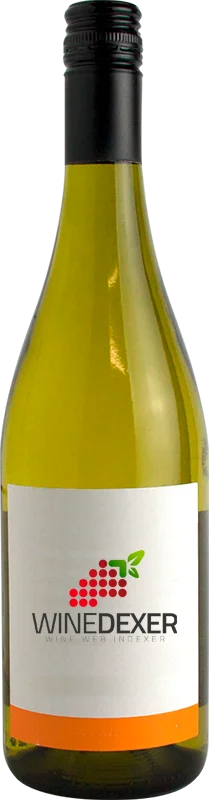
Château Pique-PerlouLune de Miel à Pique-Perlou
 Sweet wine
This wine generally goes well with poultry, rich fish (salmon, tuna etc) or shellfish.
Food and wine pairings with Lune de Miel à Pique-Perlou
Pairings that work perfectly with Lune de Miel à Pique-Perlou



Original food and wine pairings with Lune de Miel à Pique-Perlou
The Lune de Miel à Pique-Perlou of Château Pique-Perlou matches generally quite well with dishes of rich fish (salmon, tuna etc), shellfish or poultry such as recipes of salmon steak on a bed of leeks, lobster armorican style or ham and cheese omelette.
Details and technical informations about Château Pique-Perlou's Lune de Miel à Pique-Perlou.
Discover the grape variety: Lafnetscha
Native grape variety of the Swiss high Valais very old cultivated. Resulting from a natural intraspecific crossing between humagne blanche and completer, it is also related to bondola blanca, bondoletta, colombaud, ... . It should be noted that the Lafnetscha is not widely multiplied in Switzerland today, and is virtually unknown in France and even less so in other wine-producing countries.
Informations about the Château Pique-Perlou
The Château Pique-Perlou is one of of the world's great estates. It offers 13 wines for sale in the of Languedoc-Roussillon to come and discover on site or to buy online.

The wine region of Languedoc-Roussillon
Languedoc (formerly Coteaux du Languedoc) is a key appellation used in the Languedoc-Roussillon wine region of southern France. It covers Dry table wines of all three colors (red, white and rosé) from the entire region, but leaves Sweet and Sparkling wines to other more specialized appellations. About 75% of all Languedoc wines are red, with the remaining 25% split roughly down the middle between whites and rosés. The appellation covers most of the Languedoc region and almost a third of all the vineyards in France.
The word of the wine: Drawing (liqueur de)
In champagne and sparkling wines of traditional method, addition to the wine, at the time of bottling (tirage) of sugars and yeasts dissolved in wine. These components will provoke the second fermentation in the bottle leading to the formation of carbon dioxide bubbles.