The Château Lamartine of Cahors of South West

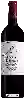
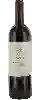
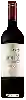
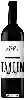
The Château Lamartine is one of the largest wineries in the world. It offers 13 wines for sale in of Cahors to come and discover on site or to buy online.
Looking for the best Château Lamartine wines in Cahors among all the wines in the region? Check out our tops of the best red, white or effervescent Château Lamartine wines. Also find some food and wine pairings that may be suitable with the wines from this area. Learn more about the region and the Château Lamartine wines with technical and enological descriptions.
How Château Lamartine wines pair with each other generally quite well with dishes of beef, game (deer, venison) or spicy food such as recipes of dombrés and pig tails, conejo al ajillo (spain) or pork colombo.
On the nose the red wine of Château Lamartine. often reveals types of flavors of oak, spices or red fruit and sometimes also flavors of black fruit, cherry or oaky. In the mouth the red wine of Château Lamartine. is a powerful with a nice balance between acidity and tannins.
The wine region of Cahors is located in the region of Haut-Pays of South West of France. Wineries and vineyards like the Château Lagrézette or the Château Lagrézette produce mainly wines red, white and pink. The most planted grape varieties in the region of Cahors are Malbec, Merlot and Tannat, they are then used in wines in blends or as a single variety. On the nose of Cahors often reveals types of flavors of cherry, tomatoes or toasty and sometimes also flavors of apples, citrus or tropical fruit.
In the mouth of Cahors is a powerful with a nice balance between acidity and tannins. We currently count 308 estates and châteaux in the of Cahors, producing 922 different wines in conventional, organic and biodynamic agriculture. The wines of Cahors go well with generally quite well with dishes of beef, lamb or poultry.
How Château Lamartine wines pair with each other generally quite well with dishes of pasta, vegetarian or appetizers and snacks such as recipes of salmon and spinach lasagna, quiche with bacon and gruyère cheese or small croissants with smoked salmon (toast).
Merlot noir is a grape variety that originated in France (Bordeaux). It produces a variety of grape specially used for wine making. It is rare to find this grape to eat on our tables. This variety of grape is characterized by small to medium sized bunches, and medium sized grapes. Merlot noir can be found in many vineyards: South West, Languedoc & Roussillon, Cognac, Bordeaux, Loire Valley, Armagnac, Burgundy, Jura, Champagne, Rhone Valley, Beaujolais, Provence & Corsica, Savoie & Bugey.
How Château Lamartine wines pair with each other generally quite well with dishes of shellfish, vegetarian or poultry such as recipes of penne with shrimp and zucchini, tuna, pepper and tomato quiche or quiche without pastry.
On the nose the white wine of Château Lamartine. often reveals types of flavors of tree fruit. In the mouth the white wine of Château Lamartine. is a with a nice freshness.
Selection of noble grains. Appellation reserved for a type of sweet wine produced in Alsace.
Planning a wine route in the of Cahors? Here are the wineries to visit and the winemakers to meet during your trip in search of wines similar to Château Lamartine.
Cabernet Franc is one of the oldest red grape varieties in Bordeaux. The Libourne region is its terroir where it develops best. The terroirs of Saint-Emilion and Fronsac allow it to mature and develop its best range of aromas. It is also the majority in many blends. The very famous Château Cheval Blanc, for example, uses 60% Cabernet Franc. The wines produced with Cabernet Franc are medium in colour with fine tannins and subtle aromas of small red fruits and spices. When blended with Merlot and Cabernet Sauvignon, it brings complexity and a bouquet of aromas to the wine. It produces fruity wines that can be drunk quite quickly, but whose great vintages can be kept for a long time. It is an earlier grape variety than Cabernet Sauvignon, which means that it is planted as far north as the Loire Valley. In Anjou, it is also used to make sweet rosé wines. Cabernet Franc is now used in some twenty countries in Europe and throughout the world.