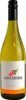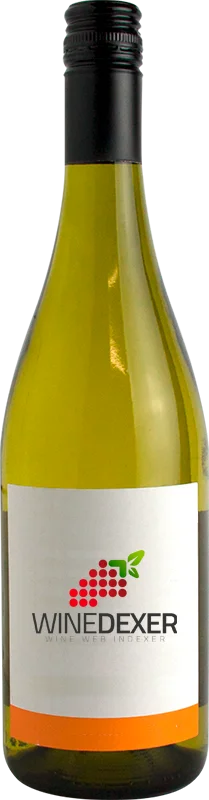
Chateau ErkenПолусухое Белое (Semi-Dry White)
 White wine


This wine generally goes well with pork, vegetarian or poultry.
The Полусухое Белое (Semi-Dry White) of the Chateau Erken is in the top 10 of wines of Terek Valley.
Food and wine pairings with Полусухое Белое (Semi-Dry White)
Pairings that work perfectly with Полусухое Белое (Semi-Dry White)



Original food and wine pairings with Полусухое Белое (Semi-Dry White)



The Полусухое Белое (Semi-Dry White) of Chateau Erken matches generally quite well with dishes of pork, rich fish (salmon, tuna etc) or shellfish such as recipes of roast pork orloff, pasta salad with surimi or parillade of fish and seafood.
Details and technical informations about Chateau Erken's Полусухое Белое (Semi-Dry White).
Discover the grape variety: Delrho
Intraspecific crossing obtained in 1959 between Alphonse Lavallée and Csaba pearl. Delrho has been registered in the Official Catalogue of Table Grape Varieties, list A1, since 1986, but today it is practically not multiplied.
Last vintages of this wine
The best vintages of Полусухое Белое (Semi-Dry White) from Chateau Erken are 2014, 0
Informations about the Chateau Erken
The Chateau Erken is one of of the world's greatest estates. It offers 11 wines for sale in the of Terek Valley to come and discover on site or to buy online.

The wine region of Terek Valley
The wine region of Terek Valley of Russia. Wineries and vineyards like the Domaine Константин Дзитоев (Konstantin Dzitoev) or the Domaine Константин Дзитоев (Konstantin Dzitoev) produce mainly wines red, white and sparkling. The most planted grape varieties in the region of Terek Valley are Cabernet-Sauvignon, Merlot and Saperavi, they are then used in wines in blends or as a single variety. On the nose of Terek Valley often reveals types of flavors of non oak, earth or oak and sometimes also flavors of spices, red fruit or black fruit.
The word of the wine: Bâtonnage
A very old technique that has come back into fashion in modern oenology, which consists of shaking the white wine in the barrels at the end of fermentation, or after fermentation, with a stick or a flail, in order to suspend the fine lees composed of yeasts at the end of their activity. This process is sometimes used for red wines.