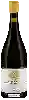
Château de RozierRed
 Red wine



This wine generally goes well with beef, lamb or mature and hard cheese.

Wine flavors and olphactive analysis

On the nose the Red of Château de Rozier in the region of Rhone Valley often reveals types of flavors of cherry, raspberry or pepper and sometimes also flavors of spices, red fruit.
Food and wine pairings with Red
Pairings that work perfectly with Red



Original food and wine pairings with Red

The Red of Château de Rozier matches generally quite well with dishes of beef, lamb or spicy food such as recipes of autumn leaves, lamb tagine with apricots (morocco) or baked falafels.
Details and technical informations about Château de Rozier's Red.
Discover the grape variety: Mayolet
Light, fruity reds with a clear ruby hue, smooth tannins and an airy palate with fresh acidity; signature aromas of red fruits (cherry, raspberry), gentle spices and alpine floral notes. Elegant high-altitude style, best drunk young. Preserved for its heritage value, it produces artisan high-altitude cuvées in the Italian Alps. Native Italian black grape of the Aosta Valley, grown on sunny hillside terraces.
Last vintages of this wine
The best vintages of Red from Château de Rozier are 2018
Informations about the Château de Rozier
The Château de Rozier is one of of the world's greatest estates. It offers 6 wines for sale in the of Rhone Valley to come and discover on site or to buy online.

The wine region of Rhone Valley
France's 2nd-largest AOC vineyard, two complementary worlds. Northern: pure Syrah in signature reds (Côte-Rôtie, Hermitage, Cornas), deep and peppery with blackberry, violet, black olive and smoked bacon notes, exceptional ageing. Opulent Viognier whites (Condrieu, apricot, flowers) and ample Marsanne-Roussanne. Southern: sun-soaked Grenache blends at Châteauneuf, Gigondas, Vacqueyras (candied fruit, garrigue).
The word of the wine: Burgundy melon
A white grape variety from Burgundy that is not widely used in its native region, but has spread to the Nantes region. It is the exclusive variety of Muscadet. It gives a dry pale yellow wine, supple and lively, with an intense bouquet, to which maturing on lees gives fatness and aromatic complexity.