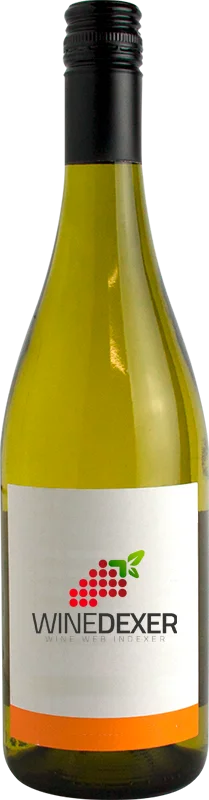
Château de FranquevilleLou Bî de la Casta Blanc Sec
 White wine
This wine is a blend of 3 varietals which are the Camaralet de Lasseube, the Petit Manseng and the Riesling.
This wine generally goes well with pork, vegetarian or poultry.
Food and wine pairings with Lou Bî de la Casta Blanc Sec
Pairings that work perfectly with Lou Bî de la Casta Blanc Sec



Original food and wine pairings with Lou Bî de la Casta Blanc Sec



The Lou Bî de la Casta Blanc Sec of Château de Franqueville matches generally quite well with dishes of pork, rich fish (salmon, tuna etc) or spicy food such as recipes of zucchini lasagna, norwegian salmon parmentier or mediterranean lamb necklace.
Details and technical informations about Château de Franqueville's Lou Bî de la Casta Blanc Sec.
Discover the grape variety: Camaralet de Lasseube
The camaralet of Lasseube has its origins in the Pyrenees, in Bearn. It can be called gentil aromatique, petit camarau or moustardet. Its bunches are of medium size but its berries are small. The berries turn golden yellow when they reach maturity. This grape variety has two approved clones since 1998: 1023 and 1024. It occupies a little less than one hectare in France and is often vinified with other grape varieties such as lauzet and gros manseng. Camaralet de Lasseube is matured about twenty days after Chasselas. Its more or less compact and winged bunches are not affected by grey rot until after maturity. Its female flowers often expose this grape variety to significant risks of coulure, which makes it possible to obtain an alcoholic wine that is full-bodied but fine. Depending on the type, the aromas of the camaralet de Lasseube may recall fennel, pepper or cinnamon.
Informations about the Château de Franqueville
The Château de Franqueville is one of of the world's greatest estates. It offers 2 wines for sale in the of South West to come and discover on site or to buy online.

The wine region of South West
The South-West is a large territorial area of France, comprising the administrative regions of Aquitaine, Limousin and Midi-Pyrénées. However, as far as the French wine area is concerned, the South-West region is a little less clear-cut, as it excludes Bordeaux - a wine region so productive that it is de facto an area in its own right. The wines of the South West have a Long and eventful history. The local rivers play a key role, as they were the main trade routes to bring wines from traditional regions such as Cahors, Bergerac, Buzet and Gaillac to their markets.
The word of the wine: Ploussard
See poulsard.