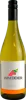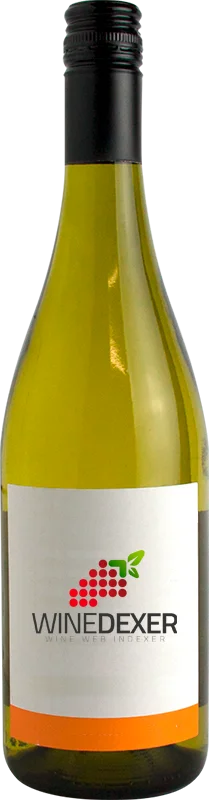
Château de CartesBlanc de Noir
 White wine


This wine generally goes well with pork, poultry or veal.

Food and wine pairings with Blanc de Noir
Pairings that work perfectly with Blanc de Noir



Original food and wine pairings with Blanc de Noir


The Blanc de Noir of Château de Cartes matches generally quite well with dishes of veal, pork or game (deer, venison) such as recipes of veal escalope with marsala, endives with ham or duck legs with cider and small onions.
Details and technical informations about Château de Cartes's Blanc de Noir.
Discover the grape variety: Pinot noir
Elegant reds, light in colour with silky tannins, showing strawberry, cherry and raspberry aromas, evolving to forest floor, mushroom and spice with age. Fresh acidity, delicate finish. Star of the Côte d'Or (Romanée-Conti, Chambertin, Volnay), pillar of Champagne (Blanc de Noirs) and signature of Oregon, Central Otago and Sonoma Coast. An early-ripening Burgundian variety, one of the world's greatest.
Last vintages of this wine

The best vintages of Blanc de Noir from Château de Cartes are 2019, 2018, 0
Informations about the Château de Cartes
The Château de Cartes is one of of the world's greatest estates. It offers 13 wines for sale in the of Quebec to come and discover on site or to buy online.

The wine region of Quebec
Booming Canadian vineyard (~70 estates, 400+ ha), an extreme continental climate (-36 C) imposing hardy hybrid grapes. A world-renowned speciality: golden ice wines with signature notes of honey, candied apricot, yellow peach, mango and crisp acidity, a sweet-lively balance — made from frozen-harvested Vidal. Fruity Frontenac reds (cherry, plum, spice), lively Seyval Blanc and Saint-Pepin whites (citrus, white flowers). 1.
The word of the wine: Solera
A method of maturing practiced in Andalusia for certain sherries, which aims to continuously blend older and younger wines. It consists of stacking several layers of barrels; those located at ground level (solera) contain the oldest wines, the youngest being stored in the barrels on the upper level. The wine to be bottled is taken from the barrels on the lower level, which is replaced by younger wine from the upper level, and so on.