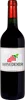
Château CapionGR 653 Rosé
 Pink wine
In the mouth this pink wine is a with a nice freshness.
This wine generally goes well with vegetarian, appetizers and snacks or lean fish.

Taste structure of the GR 653 Rosé from the Château Capion
Light | Bold | |
Dry | Sweet | |
Soft | Acidic |
In the mouth the GR 653 Rosé of Château Capion in the region of Languedoc-Roussillon is a with a nice freshness.
Food and wine pairings with GR 653 Rosé
Pairings that work perfectly with GR 653 Rosé



Original food and wine pairings with GR 653 Rosé


The GR 653 Rosé of Château Capion matches generally quite well with dishes of pasta, vegetarian or appetizers and snacks such as recipes of tuscan pastachute, light tuna-tomato quiche (without cream) or toast with smoked salmon cream.
Details and technical informations about Château Capion's GR 653 Rosé.
Discover the grape variety: Sauterne
Opulent, age-worthy sweet whites with a golden to amber robe, a rich palate with precise acidity, and signature aromas of honey, candied yellow fruits (apricot, peach), white flowers, candied citrus, and botrytis-roasted notes. Also produces structured dry whites. The star of the great Sauternes and Barsac AOC. A historical synonym for Sémillon.
Informations about the Château Capion
The Château Capion is one of of the world's great estates. It offers 42 wines for sale in the of Languedoc to come and discover on site or to buy online.

The wine region of Languedoc
Sunny, generous southern reds: spicy, peppery Syrah, round, candied Grenache (ripe fruit, garrigue), deep Mourvèdre, structured Carignan, supple Cinsault. From robust Corbières and Minervois to fresher Terrasses du Larzac, via Faugères on schist or taut Pic Saint-Loup. Lively, iodised Picpoul de Pinet whites (oysters), ample Roussanne and Marsanne. 14 sub-appellations, ~10,000 ha in regional AOC.
The wine region of Languedoc-Roussillon
Largest single French vineyard, dominated by sunny, generous reds. Spicy Syrah, candied Grenache (ripe fruit, garrigue), structured Carignan, deep Mourvèdre, supple Cinsault. Stars: structured Corbières, Minervois, Faugères, Saint-Chinian; round Côtes-du-Roussillon. Legendary vins doux naturels: Banyuls and Maury (fortified Grenache) with notes of cocoa, fig, prune.
The word of the wine: Foaming
Name given to the second alcoholic fermentation that sparkling wines undergo. It gives rise to a release of carbon dioxide in the bottle.