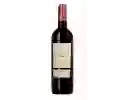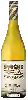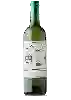
Château BaudareSémillon
 White wine


This wine generally goes well with poultry, rich fish (salmon, tuna etc) or shellfish.

Food and wine pairings with Sémillon
Pairings that work perfectly with Sémillon



Original food and wine pairings with Sémillon

The Sémillon of Château Baudare matches generally quite well with dishes of rich fish (salmon, tuna etc), shellfish or sweet desserts such as recipes of lemon and tuna risotto, oven-roasted breton lobster with salted butter from the jaguin brothers (the... or traditional pastry flan.
Details and technical informations about Château Baudare's Sémillon.
Discover the grape variety: Trnjak
Structured, intensely coloured reds with a deep purple robe, firm tannins and a dense palate with preserved acidity. Signature aromas of black fruits (blackberry, blackcurrant), plum, spices, Mediterranean garrigue and balsamic notes. Fine ageing potential. Star of great Herzegovinian reds, defining the wine identity of southern Bosnia and the Dalmatian coast around Mostar. Native Croatian and Bosnian black grape, autochthonous to Herzegovina.
Last vintages of this wine
The best vintages of Sémillon from Château Baudare are 2014
Informations about the Château Baudare
The Château Baudare is one of of the world's greatest estates. It offers 24 wines for sale in the of South West to come and discover on site or to buy online.

The wine region of South West
French mosaic of strong identities south of Bordeaux. Cahors and its Malbec ("black wine"): deep reds with notes of blackberry, plum, violet, tobacco and cocoa, firm tannins. Madiran and its dense, age-worthy Tannat. Jurançon whites: golden sweet (apricot, honey, pineapple) and lively dry from Petit Manseng.
The word of the wine: Rafle (taste of)
A taste considered a defect, characterized by an unpleasant astringency and bitterness, brought by the stalk during the vinification process. In order to avoid it, destemming before vinification is a common practice.