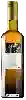
Winery Celler GerisenaDolç de Gerisena
 Sweet wine


This wine generally goes well with pork, beef or lamb.

Food and wine pairings with Dolç de Gerisena
Pairings that work perfectly with Dolç de Gerisena



Original food and wine pairings with Dolç de Gerisena

The Dolç de Gerisena of Winery Celler Gerisena matches generally quite well with dishes of beef, lamb or pork such as recipes of grandma melanie's cassoulet, leg or shoulder of lamb with honey and thyme or filet mignon in a crust.
Details and technical informations about Winery Celler Gerisena's Dolç de Gerisena.
Discover the grape variety: Lambrusco
Lively, fruity lightly sparkling reds with an intense ruby robe and rosy foam, smooth tannins and a gulping palate of signature red fruits (strawberry, raspberry, cherry), violet, plum and floral notes. A festive and thirst-quenching profile available dry, off-dry and sweet. Stars of Lambrusco di Sorbara DOC, Grasparossa di Castelvetro DOC and Salamino di Santa Croce DOC. Family of native Italian grapes from Emilia-Romagna.
Informations about the Winery Celler Gerisena
The Winery Celler Gerisena is one of of the world's greatest estates. It offers 11 wines for sale in the of Empordà to come and discover on site or to buy online.

The wine region of Empordà
Catalan DO of the northeast under the tramontana wind, between Figueres and the coast, schist and granite terroir. Fresh, gastronomic rosés are a recognised speciality: Garnatxa and Cariñena by saignée with notes of strawberry, raspberry, citrus, Mediterranean herbs and a marine saline touch. Supple reds of Garnatxa (cherry, garrigue) and Cariñena (blackberry, spice). Garnatxa de l'Empordà as oxidative natural sweet (fig, walnut, caramel).
The wine region of Catalogne
Cradle of Cava (~95% of Spanish output, traditional method): Macabeo, Xarel-lo, Parellada trilogy, fine fruity bubble. Quality peak in Priorat DOCa: dense, mineral reds on llicorella (schist), old-vine Garnacha and Cariñena with black fruit, garrigue notes, firm tannins. Also Penedès, fleshy Montsant, sunny Empordà, Costers del Segre. Mediterranean.
The word of the wine: Honest
A simple and pleasant wine, without any great quality and without any defects.