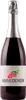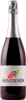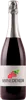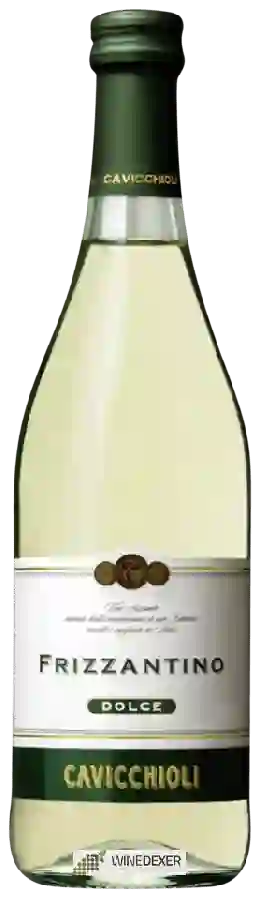
Winery CavicchioliDolce Frizzantino
 Sparkling wine



This wine generally goes well with pork, poultry or rich fish (salmon, tuna etc).

Food and wine pairings with Dolce Frizzantino
Pairings that work perfectly with Dolce Frizzantino



Original food and wine pairings with Dolce Frizzantino


The Dolce Frizzantino of Winery Cavicchioli matches generally quite well with dishes of pork, rich fish (salmon, tuna etc) or mature and hard cheese such as recipes of beef tagine with vegetables, sophie's tuna cake or snail and comté pie.
Details and technical informations about Winery Cavicchioli's Dolce Frizzantino.
Discover the grape variety: Persan
Elegant, structured reds with a deep ruby robe, firm tannins and fresh alpine acidity of intense red fruits (cherry, raspberry), blackfruit, spices, black pepper, alpine herbs and floral notes (violet). Fine ageing potential. A once near-extinct grape, preserved and now in renaissance for artisanal identity cuvées. Grown in Vin de Savoie AOC and Isère IGP. Native French grape of Savoie and Dauphiné, a rediscovered alpine signature.
Last vintages of this wine
The best vintages of Dolce Frizzantino from Winery Cavicchioli are 0
Informations about the Winery Cavicchioli
The Winery Cavicchioli is one of of the world's great estates. It offers 100 wines for sale in the of Emilia-Romagna to come and discover on site or to buy online.

The wine region of Emilia-Romagna
Kingdom of Lambrusco: fresh, fruity sparkling reds (blackberry, cherry, violet), from gourmet dry to convivial off-dry, perfect with local charcuterie. World's best-selling sparkling wine on the Emilia side (Sorbara, Grasparossa, Salamino). East, Romagna: supple fruity Sangiovese, Albana (Italy's 1st white DOCG, 1987) ample and almondy. Also red Gutturnio and white Pignoletto.
The word of the wine: Hygrometry
Humidity level of the cellar necessary for a good ageing of the wines. The recommended hygrometry is around 70% in order to guarantee a good elasticity of the corks while preserving the labels.