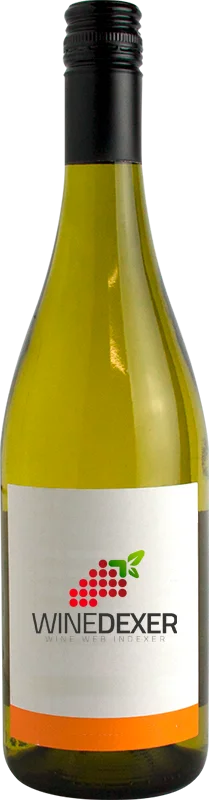
Caves Jean LindenAnnexe Clos du Notaire Riesling
 White wine
This wine generally goes well with pork, vegetarian or poultry.
Food and wine pairings with Annexe Clos du Notaire Riesling
Pairings that work perfectly with Annexe Clos du Notaire Riesling



Original food and wine pairings with Annexe Clos du Notaire Riesling



The Annexe Clos du Notaire Riesling of Caves Jean Linden matches generally quite well with dishes of pork, rich fish (salmon, tuna etc) or spicy food such as recipes of alsatian sauerkraut, bacalhau a bras (portuguese cod) or chicken tajine with prunes.
Details and technical informations about Caves Jean Linden's Annexe Clos du Notaire Riesling.
Discover the grape variety: Riesling
White Riesling is a grape variety that originated in France (Alsace). It produces a variety of grape specially used for the elaboration of wine. It is rare to find this grape to eat on our tables. This variety of grape is characterized by small bunches, and small grapes. White Riesling can be found in many vineyards: Alsace, Loire Valley, Languedoc & Roussillon, Lorraine, Provence & Corsica, Rhone Valley, Savoie & Bugey, Beaujolais, South West.
Informations about the Caves Jean Linden
The Caves Jean Linden is one of of the world's greatest estates. It offers 1 wines for sale in the of Moselle to come and discover on site or to buy online.

The wine region of Moselle
Moselle is an appellation covering white, red and rosé wines from an area in the administrative department of Moselle in Northeastern France. The Vineyard">Vineyard zone covers land on both sides of the Mosel River (known locally as the Moselle), before it flows north to form the heart of Germany's famed Mosel wine region. Moselle wines are most often light, Aromatic whites with crisp Acidity. They are made predominantly from the Auxerrois Blanc and Müller-Thurgau grape varieties.
The word of the wine: Terroir
Strictly speaking, the notion of terroir corresponds to the geological characteristics of a vineyard. However, when we talk about terroir, we take into account the soil, the climate (even the microclimate), the flora, the fauna, and the human factor that characterizes the practices that make up the art of the craft.