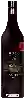
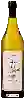
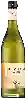
Cave des RochersYvorne
 White wine
In the mouth this white wine is a with a nice freshness.
This wine generally goes well with poultry, lean fish or mild and soft cheese.

Taste structure of the Yvorne from the Cave des Rochers
Light | Bold | |
Dry | Sweet | |
Soft | Acidic |
In the mouth the Yvorne of Cave des Rochers in the region of Vaud is a with a nice freshness.
Food and wine pairings with Yvorne
Pairings that work perfectly with Yvorne



Original food and wine pairings with Yvorne

The Yvorne of Cave des Rochers matches generally quite well with dishes of poultry, lean fish or mild and soft cheese such as recipes of royal couscous (lamb, chicken, merguez), cod in the oven or egg muffins.
Details and technical informations about Cave des Rochers's Yvorne.
Discover the grape variety: Chasselas
Light, lively whites with a tender palate and low acidity, with discreet aromas of fresh hazelnut, white flowers, light honey, apple and strongly terroir-driven mineral notes ("chameleon wine" of Swiss soils). Made as dry, often slightly sparkling whites. Absolute star of Vaud (Dézaley, Calamin, Lavaux Grand Cru) and Valais (Fendant) in Switzerland. Also in Pouilly-sur-Loire AOC and the German Jura. Excellent table grape.
Informations about the Cave des Rochers
The Cave des Rochers is one of of the world's greatest estates. It offers 6 wines for sale in the of Yvorne to come and discover on site or to buy online.

The wine region of Yvorne
Grand Cru AOC of Chablais vaudois (160 ha, largest Chablais vineyard, rockslide 1584): exclusive Chasselas — mineral and powerful with aromas of white fruits, citrus and white flowers, ample structure and preserved tension, among the finest Swiss Chasselas. Draining calcite gravels from the rockslide, favourable foehn microclimate, south exposure, terroir consecrated to the grape variety.
The wine region of Vaud
World reference for Chasselas (~60% of the vineyard). Mineral, delicate whites with signature notes of green apple, citrus, white flowers, fresh almond and a saline touch, low acidity and a silky palate. Maximum expression in Lavaux (UNESCO 2007) on Lake Geneva terraces. Also La Côte, Chablais and the iconic Dézaley.
The word of the wine: Chaptalization
The addition of sugar at the time of fermentation of the must, an ancient practice, but theorized by Jean-Antoine Chaptal at the dawn of the 19th century. The sugar is transformed into alcohol and allows the natural degree of the wine to be raised in a weak or cold year, or - more questionably - when the winegrower has a harvest that is too large to obtain good maturity.