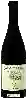
Cave des Saint-SaturninGrand Chevignac Special Edition Grande Réserve
 Red wine


In the mouth this red wine is a powerful with a nice balance between acidity and tannins.
This wine generally goes well with beef, veal or pasta.

Taste structure of the Grand Chevignac Special Edition Grande Réserve from the Cave des Saint-Saturnin
Light | Bold | |
Smooth | Tannic | |
Dry | Sweet | |
Soft | Acidic |
In the mouth the Grand Chevignac Special Edition Grande Réserve of Cave des Saint-Saturnin in the region of Languedoc-Roussillon is a powerful with a nice balance between acidity and tannins.
Food and wine pairings with Grand Chevignac Special Edition Grande Réserve
Pairings that work perfectly with Grand Chevignac Special Edition Grande Réserve



Original food and wine pairings with Grand Chevignac Special Edition Grande Réserve
The Grand Chevignac Special Edition Grande Réserve of Cave des Saint-Saturnin matches generally quite well with dishes of beef, pasta or veal such as recipes of harira de mamie (moroccan soup), cannelloni of meat or duck breast with red fruits.
Details and technical informations about Cave des Saint-Saturnin's Grand Chevignac Special Edition Grande Réserve.
Discover the grape variety: Muscadine
Sweet and liqueur wines with a highly distinctive foxy, musky character, amber to golden colour, lush palate, showing powerful signature aromas of wild muscat (foxy signature), exotic fruits, flowers and earthy notes. Distinctly southern American identity. Grown in the south-eastern United States (Carolinas, Florida), resistant to phylloxera and disease, used in modern hybridisation programmes. Family of American varieties of the Vitis rotundifolia species.
Last vintages of this wine
The best vintages of Grand Chevignac Special Edition Grande Réserve from Cave des Saint-Saturnin are 2014, 2013
Informations about the Cave des Saint-Saturnin
The Cave des Saint-Saturnin is one of of the world's great estates. It offers 97 wines for sale in the of Languedoc-Roussillon to come and discover on site or to buy online.

The wine region of Languedoc-Roussillon
Largest single French vineyard, dominated by sunny, generous reds. Spicy Syrah, candied Grenache (ripe fruit, garrigue), structured Carignan, deep Mourvèdre, supple Cinsault. Stars: structured Corbières, Minervois, Faugères, Saint-Chinian; round Côtes-du-Roussillon. Legendary vins doux naturels: Banyuls and Maury (fortified Grenache) with notes of cocoa, fig, prune.
The word of the wine: Rimage
"Vintage", in Catalan. A natural sweet wine that is bottled early to preserve its fruitiness, as opposed to those aged in an oxidizing environment (see this word). Syn.: vintage (for maury, port).