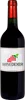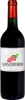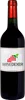
Cave de PedraReserva Sangiovese
 Red wine


This wine generally goes well with pork, poultry or beef.

Food and wine pairings with Reserva Sangiovese
Pairings that work perfectly with Reserva Sangiovese



Original food and wine pairings with Reserva Sangiovese



The Reserva Sangiovese of Cave de Pedra matches generally quite well with dishes of beef, veal or pork such as recipes of beef tenderloin wellington, lamb confit with new potatoes or cabbage casserole.
Details and technical informations about Cave de Pedra's Reserva Sangiovese.
Discover the grape variety: Sangiovese
Firm, upright reds with precise acidity and angular tannins, showing aromas of sour cherry, plum, dried herbs, leather, black tea and balsamic notes. Characteristically bitter, savoury finish. Star of Chianti Classico DOCG, Brunello di Montalcino DOCG, Vino Nobile di Montepulciano DOCG and Morellino di Scansano. Italy's most planted variety, a descendant of Ciliegiolo × Calabrese di Montenuovo.
Last vintages of this wine
The best vintages of Reserva Sangiovese from Cave de Pedra are 0, 2017
Informations about the Cave de Pedra
The Cave de Pedra is one of of the world's great estates. It offers 31 wines for sale in the of Vale dos Vinhedos to come and discover on site or to buy online.

The wine region of Vale dos Vinhedos
First Brazilian DO (2012) at the heart of the Serra Gaúcha (Rio Grande do Sul): signature Merlot as king red - supple and fruity with notes of cherry, plum, blackberry, red fruits and a touch of spice, round tannins and an elegant finish. Structured Cabernet and dense Tannat in support. Traditional-method sparkling wines of excellence (Chardonnay, Pinot Noir) - fine and persistent, a national flagship. Moscato in white.
The wine region of Rio Grande do Sul
Brazil's winemaking heart (~80% of production), Italian tradition. Recognised specialty: traditional-method sparkling wines (espumantes), fresh and fruity, based on Chardonnay and Pinot Noir, among South America's finest. Accessible reds: supple, fruity Merlot (plum, cherry), fleshy Cabernet Sauvignon, dense, tannic Tannat. Round Chardonnay, light Riesling Italico, sweet, floral Moscato whites.
The word of the wine: Performance
Quantity of grapes harvested per hectare. In AOC, the average yield is limited on the proposal of the appellation syndicate, validated by the Inao. The use of high-performance plant material (especially clones) and better control of vine diseases have increased yields. This is not without consequences on the quality of the wines (dilution) and on the state of the market (too much wine). We must not over-simplify: low yields are not synonymous with quality, and it is often in years with generous harvests that we find the greatest vintages (1982 and 1986 in Bordeaux, 1996 in Champagne, 1990 and 2005 in Burgundy...).