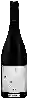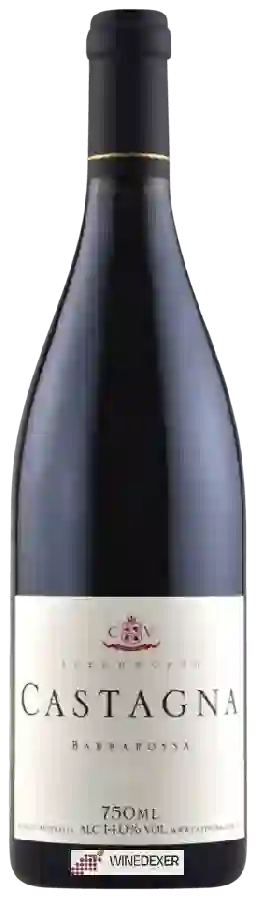
Winery CastagnaBarbarossa
 Red wine
This wine generally goes well with beef, veal or lamb.

Food and wine pairings with Barbarossa
Pairings that work perfectly with Barbarossa



Original food and wine pairings with Barbarossa


The Barbarossa of Winery Castagna matches generally quite well with dishes of beef, lamb or veal such as recipes of tanjia, pastasotto pepper merguez (risotto style pasta) or sot- l- leaves.
Details and technical informations about Winery Castagna's Barbarossa.
Discover the grape variety: Nebbiolo
Austere, noble reds, pale in colour and quick to turn garnet, with powerful tannins and high acidity, showing aromas of sour cherry, faded rose, tar, white truffle, leather and balsamic notes with age. Outstanding ageing potential. Absolute star of Piedmont with Barolo DOCG and Barbaresco DOCG, also in Roero, Gattinara, Ghemme and Valtellina (Chiavennasca). A late-ripening Italian variety among the world's greatest.
Informations about the Winery Castagna
The Winery Castagna is one of of the world's great estates. It offers 21 wines for sale in the of Beechworth to come and discover on site or to buy online.

The wine region of Beechworth
Small cool-climate GI in the foothills of the Victorian Alps (NE of Melbourne): signature Chardonnay as white king (~24%) — signature premium with notes of citrus, apple, minerality and balanced acidity, elegance comparable to top Burgundies, signature wild yeasts. Flagship Shiraz as red king (~10%) — concentrated with signature notes of black fruits, pepper, spices, often labeled Syrah in fresh Rhône tribute. GI, signature granite soils, altitude, sustainable.
The wine region of Victoria
Australian diversity from cool to temperate climate. Yarra Valley and Mornington: fine, silky Pinot Noir (cherry, raspberry, undergrowth), taut, mineral Chardonnay. Heathcote: structured Shiraz with black fruits, pepper and chocolate. Rutherglen, fortified capital: opulent sweet Topaque and Muscat (raisin, caramel, fig, roast notes).
The word of the wine: Yeast
Micro-organisms at the base of all fermentative processes. A wide variety of yeasts live and thrive naturally in the vineyard, provided that treatments do not destroy them. Unfortunately, their replacement by laboratory-selected yeasts is often the order of the day and contributes to the standardization of the wine. Yeasts are indeed involved in the development of certain aromas.