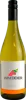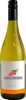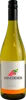
Winery Case CollinaPasserina Marche
 White wine
In the mouth this white wine is a with a nice freshness.
This wine generally goes well with vegetarian, appetizers and snacks or lean fish.

Taste structure of the Passerina Marche from the Winery Case Collina
Light | Bold | |
Dry | Sweet | |
Soft | Acidic |
In the mouth the Passerina Marche of Winery Case Collina in the region of Marche is a with a nice freshness.
Food and wine pairings with Passerina Marche
Pairings that work perfectly with Passerina Marche



Original food and wine pairings with Passerina Marche


The Passerina Marche of Winery Case Collina matches generally quite well with dishes of pasta, vegetarian or appetizers and snacks such as recipes of special' tagliatelle carbonara, light tuna-tomato quiche (without cream) or happy new year bites.
Details and technical informations about Winery Case Collina's Passerina Marche.
Discover the grape variety: Onchette
Simple, fresh dry whites with a pale golden robe, a supple palate and preserved acidity. Understated aromas of citrus, white flowers and herbaceous notes from the South-West. Rustic, airy profile, best drunk young. Preserved in INRAE variety collections, it bears witness to the pre-phylloxera ampelographic diversity of the South-West and is studied as a heritage grape. Rare French white grape, once cultivated in the South-West, now nearly extinct.
Informations about the Winery Case Collina
The Winery Case Collina is one of of the world's greatest estates. It offers 8 wines for sale in the of Marche to come and discover on site or to buy online.

The wine region of Marche
Italian star of Verdicchio: exceptional age-worthy whites, straight and mineral with signature notes of green almond, lemon, green apple, dry herbs and a slightly bitter finish. Two DOCGs: Castelli di Jesi (coastal, airy) and Matelica (inland, more concentrated). Mediterranean reds: fleshy Montepulciano in Rosso Conero near Ancona, supple Sangiovese. Also fresh Pecorino and Passerina.
The word of the wine: Long
Wine with persistence in the mouth. This persistence in the mouth of a wine is measured in caudalies.