The Winery Casar de Burbia of Castille-et-Léon
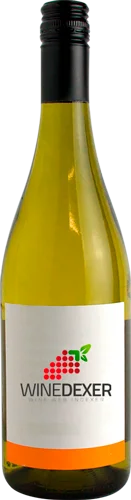
Winery Casar de Burbia
The winery offers 15 different wines
3.8


Note - 1Note - 1Note - 1Note - 0.5Note - 0
Its wines get an average rating of 3.8.
It is ranked in the top 388 of the estates of Castille-et-Léon.
It is located in Castille-et-Léon

The Winery Casar de Burbia is one of the best wineries to follow in Castille-et-Léon.. It offers 15 wines for sale in of Castille-et-Léon to come and discover on site or to buy online.
Top Winery Casar de Burbia wines

Looking for the best Winery Casar de Burbia wines in Castille-et-Léon among all the wines in the region? Check out our tops of the best red, white or effervescent Winery Casar de Burbia wines. Also find some food and wine pairings that may be suitable with the wines from this area. Learn more about the region and the Winery Casar de Burbia wines with technical and enological descriptions.

The top white wines of Winery Casar de Burbia

Food and wine pairings with a white wine of Winery Casar de Burbia

How Winery Casar de Burbia wines pair with each other generally quite well with dishes such as recipes .

Organoleptic analysis of white wines of Winery Casar de Burbia

On the nose the white wine of Winery Casar de Burbia. often reveals types of flavors of pineapple, cream or grapefruit and sometimes also flavors of citrus, apples or peach.

The best vintages in the white wines of Winery Casar de Burbia

  • 2014With an average score of 3.90/5
  • 2016With an average score of 3.90/5
  • 2013With an average score of 3.87/5
  • 2019With an average score of 3.80/5
  • 2018With an average score of 3.80/5
  • 2017With an average score of 3.80/5

The grape varieties most used in the white wines of Winery Casar de Burbia.

  • Godello

Discovering the wine region of Castille-et-Léon

Located in the northern half of the Central Iberian plateau, Castilla y León is the largest of Spain's 17 administrative regions, covering about one-fifth of the country's total area. It extends about 350 kilometres (220 miles) from central Spain to the northern coast. Just as wide, it connects the Rioja wine region to the Portuguese border. Red wines reign supreme in Castilla y León, and the Tempranillo grape is undoubtedly the king.

It is known here by various synonyms, including Tinta del Pais, Tinto de Toro and Tinto Fino. It is the source of all the best wines in the region, with the exception of Bierzo, which makes good use of Mencia. The other grape varieties are the French varieties Cabernet Sauvignon, Merlot and Syrah. The white wines of Castilla y Léon are much less numerous than the reds, but hardly less prestigious.

The top red wines of Winery Casar de Burbia

Food and wine pairings with a red wine of Winery Casar de Burbia

How Winery Casar de Burbia wines pair with each other generally quite well with dishes of veal, game (deer, venison) or poultry such as recipes of cutlets with portuguese sauce, rabbit with basquaise sauce or savoury cake base and various fillings.

Organoleptic analysis of red wines of Winery Casar de Burbia

On the nose the red wine of Winery Casar de Burbia. often reveals types of flavors of non oak, earth or oak and sometimes also flavors of spices, red fruit or black fruit. In the mouth the red wine of Winery Casar de Burbia. is a powerful with a nice balance between acidity and tannins.

The best vintages in the red wines of Winery Casar de Burbia

  • 1989With an average score of 3.93/5
  • 2016With an average score of 3.91/5
  • 1980With an average score of 3.90/5
  • 2014With an average score of 3.85/5
  • 2015With an average score of 3.81/5
  • 0With an average score of 3.80/5

The grape varieties most used in the red wines of Winery Casar de Burbia.

  • Mencia

Discover the grape variety: Godello

Discover other wineries and winemakers neighboring the Winery Casar de Burbia

Planning a wine route in the of Castille-et-Léon? Here are the wineries to visit and the winemakers to meet during your trip in search of wines similar to Winery Casar de Burbia.

Discover the grape variety: Mencia

Spanish, more precisely from the Duero Valley where it is still very present. According to some ampelographers, it is close to Cabernet Franc.